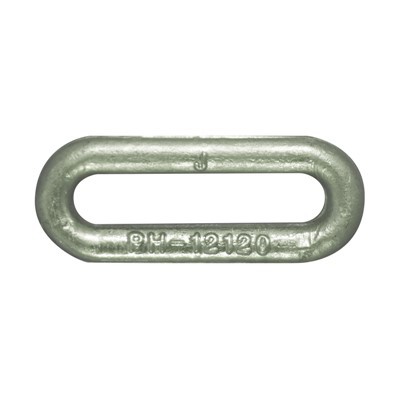

Adjusting plates are essential components in various industries, used to fine - tune the position, alignment, or level of machinery and equipment. As a supplier of adjusting plates, I often get asked about the materials these plates are usually made of. So, let's dive into the details of the common materials used in manufacturing adjusting plates.
Steel
Steel is hands - down one of the most popular materials for adjusting plates. It's got a whole bunch of properties that make it a top choice. First off, steel is incredibly strong. This strength allows adjusting plates made from steel to withstand heavy loads without deforming. In industrial settings where large machinery is involved, like in factories or construction sites, the ability to handle significant weight is crucial.
There are different types of steel used for adjusting plates. Carbon steel is a common option. It's relatively inexpensive and offers good strength. For adjusting plates that don't need to be super corrosion - resistant but require basic strength, carbon steel is a great pick. For example, in some simple mechanical setups where the environment is not too harsh, carbon steel adjusting plates can do the job just fine.
Stainless steel is another type of steel used. It has the added benefit of being corrosion - resistant. In environments where moisture, chemicals, or other corrosive agents are present, stainless steel adjusting plates are a must. Think of food processing plants, where hygiene and resistance to corrosion are of utmost importance. Stainless steel won't rust or corrode easily, ensuring the longevity of the adjusting plates. You can check out our DB Adjusting Plate, which is available in high - quality steel options, both carbon and stainless, depending on your specific needs.
Aluminum
Aluminum is also a widely used material for adjusting plates. One of its biggest advantages is its low weight. Compared to steel, aluminum adjusting plates are much lighter, which can be a huge plus in applications where weight is a concern. For example, in the aerospace industry, every pound matters, and using aluminum adjusting plates can help reduce the overall weight of the aircraft.


Aluminum is also corrosion - resistant, thanks to the thin oxide layer that forms on its surface. This makes it suitable for outdoor applications or in environments where there is exposure to the elements. However, it's not as strong as steel. So, for applications that require high strength and load - bearing capacity, aluminum might not be the best choice. But for applications where light weight and moderate strength are sufficient, it's a great option. Our PT Adjusting Plate is available in aluminum for those who need a lightweight solution.
Bronze
Bronze is an alloy made primarily of copper and tin, and it has some unique properties that make it a good material for adjusting plates. One of the key features of bronze is its excellent wear resistance. In applications where there is a lot of friction, like in some types of machinery where parts are constantly moving against the adjusting plate, bronze can hold up well over time.
Bronze also has good corrosion resistance, especially in certain chemical environments. It can be used in marine applications, for example, where it can resist the corrosive effects of saltwater. However, bronze is relatively expensive compared to steel and aluminum. So, it's typically used in more specialized applications where its unique properties are really needed.
Cast Iron
Cast iron is a material that has been used for a long time in manufacturing adjusting plates. It's known for its high stiffness and good damping properties. The stiffness means that cast iron adjusting plates can maintain their shape well under load, which is important for accurate adjustment. The damping properties help to reduce vibrations, which can be beneficial in machinery where vibrations can cause problems, such as in precision equipment.
Cast iron is also relatively easy to machine, which makes it cost - effective to produce adjusting plates in different shapes and sizes. However, it's heavy and not as corrosion - resistant as some other materials. So, in outdoor or corrosive environments, it might need some form of protective coating.
Plastic
Plastic materials are becoming more and more popular for adjusting plates, especially in applications where electrical insulation, low noise, or chemical resistance is required. There are different types of plastics used, such as nylon and polycarbonate.
Nylon is a tough and wear - resistant plastic. It has good mechanical properties and can be used in applications where there is some level of load and friction. Polycarbonate, on the other hand, is known for its high impact resistance and transparency (although transparency is not always a requirement for adjusting plates).
Plastic adjusting plates are lightweight, which can be an advantage in some applications. They are also relatively inexpensive and can be easily molded into different shapes. However, they generally have lower strength compared to metals, so they are more suitable for lighter - duty applications. Our DB - 21120 - 180 Adjusting Plate is available in plastic for those who need a non - metallic solution.
Conclusion
As you can see, there are several materials used to make adjusting plates, each with its own set of advantages and disadvantages. The choice of material depends on the specific requirements of the application, such as load - bearing capacity, corrosion resistance, weight, and cost.
If you're in the market for adjusting plates, I'd be more than happy to help you choose the right material for your needs. Whether you need a high - strength steel plate for heavy - duty machinery or a lightweight plastic plate for a more delicate application, we've got you covered. Contact us to start a conversation about your adjusting plate requirements, and let's work together to find the perfect solution for your business.
References
- "Materials Science and Engineering: An Introduction" by William D. Callister Jr. and David G. Rethwisch
- Industry standards and technical manuals related to adjusting plates and manufacturing materials.