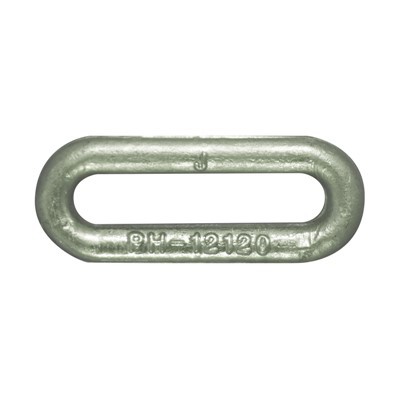

In the realm of mechanical engineering and industrial applications, the choice of components can significantly impact the performance and safety of a system. One such component that often comes under scrutiny, especially in high - speed applications, is the P Clevis. As a P Clevis supplier, I've had numerous discussions with clients about the suitability of P Clevises for high - speed scenarios. In this blog, I'll delve into the technical aspects, advantages, and potential limitations of using P Clevises in high - speed applications.
Understanding P Clevises
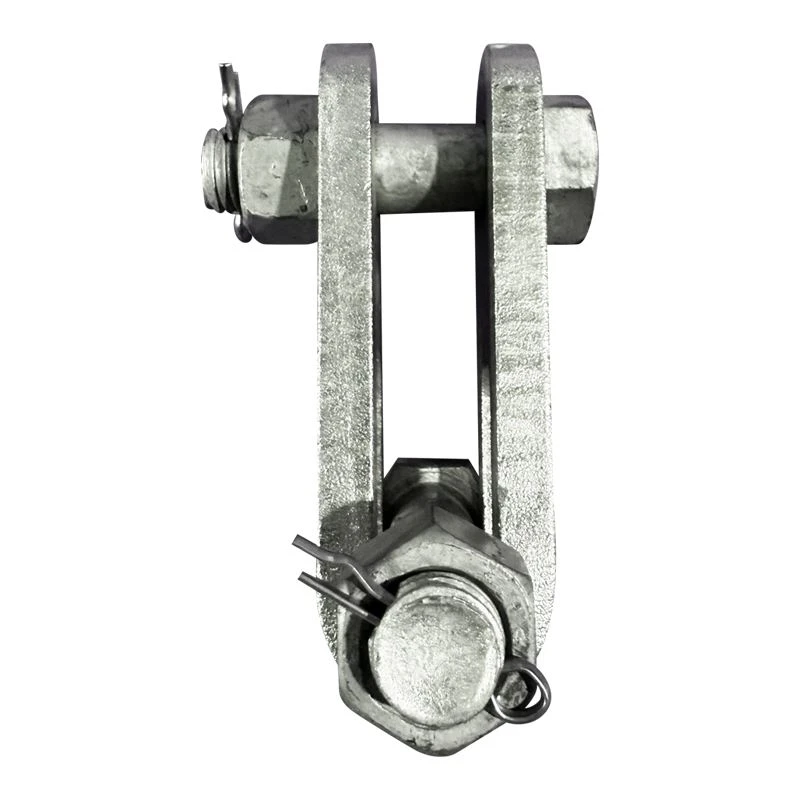
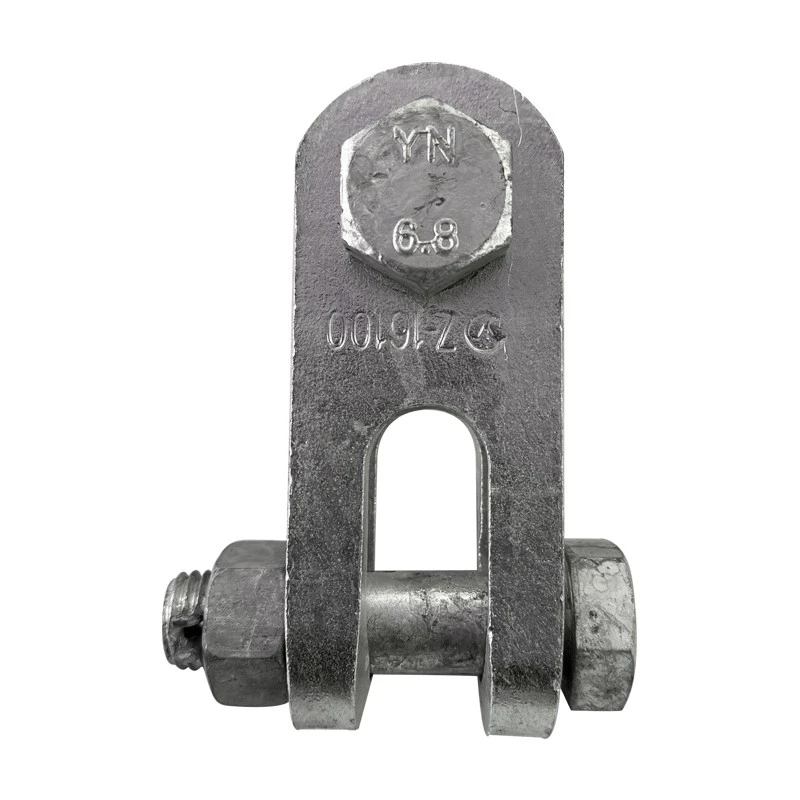
Before we assess their suitability for high - speed applications, let's first understand what P Clevises are. A P Clevis is a type of mechanical fastener or connector. It typically has a U - shaped body with holes at the ends for attaching pins. These pins are used to connect the P Clevis to other components in a mechanical system, such as rods, bars, or linkages. P Clevises are commonly used in a wide range of industries, including automotive, aerospace, and manufacturing, due to their simplicity and versatility.
Key Considerations for High - Speed Applications
When it comes to high - speed applications, several factors need to be considered:
- Vibration and Resonance: At high speeds, mechanical components are subject to significant vibrations. If the natural frequency of a P Clevis coincides with the operating frequency of the system, resonance can occur. Resonance can lead to excessive stress, fatigue, and ultimately, failure of the component. To mitigate this risk, the design and material of the P Clevis need to be carefully selected to ensure its natural frequency is well - above or below the operating frequency of the system.
- Centrifugal Forces: High - speed rotation generates centrifugal forces. These forces can cause the P Clevis to deform or even break if it is not designed to withstand them. The material strength and the geometry of the P Clevis play crucial roles in determining its ability to handle centrifugal forces. For example, a P Clevis with a thicker cross - section or made of a stronger material will be more resistant to centrifugal forces.
- Impact Resistance: In high - speed applications, there is a higher likelihood of sudden impacts. Whether it's due to debris, misalignments, or other unforeseen events, the P Clevis must be able to withstand these impacts without failing. Impact resistance is closely related to the material's toughness and the design of the P Clevis. A well - designed P Clevis will have rounded edges and smooth transitions to distribute the impact forces evenly.
Advantages of P Clevises in High - Speed Applications
Despite the challenges, P Clevises offer several advantages in high - speed applications:
- Lightweight Design: Many P Clevises are designed to be lightweight without sacrificing strength. This is beneficial in high - speed applications as it reduces the overall inertia of the system. A lower inertia means less energy is required to accelerate and decelerate the components, resulting in improved efficiency and reduced wear and tear.
- Ease of Installation and Maintenance: P Clevises are relatively easy to install and replace. In high - speed applications where downtime needs to be minimized, this is a significant advantage. Quick and easy installation and maintenance can help keep the system running smoothly and reduce overall operating costs.
- Versatility: P Clevises can be used in a variety of configurations and can be easily adapted to different systems. This versatility makes them a popular choice for high - speed applications where the system requirements may change over time.
Potential Limitations
However, there are also some potential limitations of using P Clevises in high - speed applications:
- Lubrication Requirements: In high - speed applications, proper lubrication is essential to reduce friction and wear. P Clevises may require regular lubrication to ensure smooth operation. If the lubrication is not maintained properly, it can lead to increased friction, heat generation, and premature failure of the component.
- Precision Requirements: High - speed applications often demand a high level of precision. Any misalignment or looseness in the P Clevis can cause vibrations and reduce the overall performance of the system. Ensuring proper alignment and tight tolerances during installation is crucial.
Comparing with Other Clevis Types
To better understand the suitability of P Clevises for high - speed applications, let's compare them with other types of clevises, such as the UB Clevis and the Z - 16100 Clevis.
The UB Clevis has a different shape and design compared to the P Clevis. It may offer different levels of strength and stability. In some high - speed applications, the UB Clevis may be more suitable due to its specific design features. For example, if the application requires a clevis with a wider opening or a different pin arrangement, the UB Clevis could be a better choice.
The Z - 16100 Clevis is another alternative. It may have unique properties that make it more or less suitable for high - speed applications depending on the specific requirements. Some Z - 16100 Clevises are designed with enhanced strength and precision, which could be advantageous in high - speed scenarios where reliability is crucial.
Real - World Examples
Let's look at some real - world examples of high - speed applications where P Clevises are used. In the automotive industry, P Clevises are often used in the suspension systems of high - performance cars. These cars operate at high speeds and are subject to significant vibrations and impacts. The P Clevises in these systems need to be able to handle these conditions while maintaining their integrity.
In the aerospace industry, P Clevises are used in various control systems. For example, in the flight control surfaces of an aircraft, P Clevises are used to connect the control rods. These components need to be lightweight, strong, and reliable to ensure the safety and performance of the aircraft at high speeds.
Our Product Range
As a P Clevis supplier, we offer a wide range of P Clevises, including the PD - 0770 Clevis. Our P Clevises are designed and manufactured to meet the highest quality standards. We use advanced materials and manufacturing processes to ensure that our P Clevises are suitable for high - speed applications.
Our engineering team can work closely with you to understand your specific requirements and recommend the most suitable P Clevis for your application. Whether you need a P Clevis for a high - speed automotive system or an aerospace application, we have the expertise and the products to meet your needs.
Conclusion
In conclusion, P Clevises can be suitable for high - speed applications, but careful consideration of the technical factors is necessary. Their lightweight design, ease of installation, and versatility make them attractive options. However, potential limitations such as lubrication requirements and precision needs must be addressed.
If you are in the market for P Clevises for high - speed applications, we invite you to contact us for a detailed discussion. Our team of experts can provide you with the information and support you need to make an informed decision. We are committed to providing high - quality products and excellent customer service. Let's work together to find the best P Clevis solution for your high - speed application.
References
- Mechanical Engineering Handbook, various editions
- Automotive Engineering Journal, articles on suspension systems
- Aerospace Engineering Review, papers on flight control systems