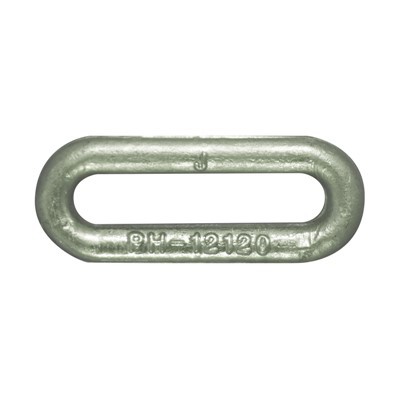

As a seasoned supplier of Z Clevises, I've witnessed firsthand the critical role these components play in various industries. One question that often arises among our customers is, "What is the abrasion resistance of a Z Clevis?" In this blog post, I'll delve into the intricacies of abrasion resistance, exploring the factors that influence it and how it impacts the performance of Z Clevises in real-world applications.
Understanding Abrasion Resistance
Abrasion resistance refers to a material's ability to withstand wear and tear caused by friction, rubbing, or scraping against other surfaces. In the context of Z Clevises, which are commonly used in mechanical and structural applications, abrasion resistance is a crucial property that determines their durability and longevity.
When a Z Clevis is subjected to repeated contact with other components, such as pins, rods, or brackets, the surfaces can undergo abrasion, leading to material loss, dimensional changes, and eventually, failure. Therefore, ensuring that Z Clevises have high abrasion resistance is essential to maintain their functionality and reliability over time.
Factors Affecting Abrasion Resistance
Several factors can influence the abrasion resistance of a Z Clevis, including the material composition, surface finish, heat treatment, and the operating conditions. Let's take a closer look at each of these factors:
-
Material Composition: The choice of material is one of the most significant factors affecting abrasion resistance. Different materials have varying levels of hardness, toughness, and wear resistance. For example, steel is a popular choice for Z Clevises due to its high strength and durability. However, the specific grade of steel used can significantly impact its abrasion resistance. High-carbon steels, for instance, are generally harder and more wear-resistant than low-carbon steels.
-
Surface Finish: The surface finish of a Z Clevis can also affect its abrasion resistance. A smooth surface finish can reduce friction and minimize the contact area between the Z Clevis and other components, thereby reducing the likelihood of abrasion. Conversely, a rough or uneven surface finish can increase friction and accelerate wear. Therefore, it's important to ensure that Z Clevises have a high-quality surface finish to enhance their abrasion resistance.
-
Heat Treatment: Heat treatment is a process used to modify the physical and mechanical properties of a material. By subjecting a Z Clevis to heat treatment, such as quenching and tempering, the hardness and wear resistance of the material can be significantly improved. Heat treatment can also help to relieve internal stresses and improve the dimensional stability of the Z Clevis, further enhancing its durability.
-
Operating Conditions: The operating conditions in which a Z Clevis is used can also have a significant impact on its abrasion resistance. Factors such as the load, speed, temperature, and the presence of contaminants can all affect the rate of wear. For example, a Z Clevis operating under high loads and speeds is more likely to experience accelerated wear than one operating under low loads and speeds. Similarly, a Z Clevis exposed to harsh environments, such as high temperatures, corrosive chemicals, or abrasive particles, is also more likely to wear out quickly.
Measuring Abrasion Resistance
There are several methods available for measuring the abrasion resistance of a material, each with its own advantages and limitations. Some of the most commonly used methods include the Taber Abraser test, the Pin-on-Disk test, and the Abrasion Resistance Index (ARI) test.
-
Taber Abraser Test: The Taber Abraser test is a widely used method for measuring the abrasion resistance of flat materials. In this test, a specimen is mounted on a rotating platform and subjected to abrasion by two abrasive wheels. The amount of material lost during the test is measured and used to calculate the abrasion resistance of the specimen.
-
Pin-on-Disk Test: The Pin-on-Disk test is another commonly used method for measuring the abrasion resistance of materials. In this test, a pin is pressed against a rotating disk, and the wear rate of the pin is measured as a function of the applied load, sliding distance, and other parameters.
-
Abrasion Resistance Index (ARI) Test: The Abrasion Resistance Index (ARI) test is a relatively new method for measuring the abrasion resistance of materials. In this test, a specimen is abraded by a jet of abrasive particles, and the amount of material lost is measured. The ARI value is then calculated based on the ratio of the material lost to the mass of the abrasive particles used.
Importance of Abrasion Resistance in Z Clevises
The abrasion resistance of a Z Clevis is crucial for several reasons, including:
-
Durability and Longevity: A Z Clevis with high abrasion resistance is more likely to withstand the wear and tear caused by repeated use, ensuring its durability and longevity. This can reduce the need for frequent replacements, saving time and money in the long run.


-
Reliability and Performance: Abrasion can cause dimensional changes and material loss in a Z Clevis, which can affect its fit and function. By ensuring high abrasion resistance, the reliability and performance of the Z Clevis can be maintained, reducing the risk of failure and downtime.
-
Safety: In some applications, such as in the aerospace, automotive, and construction industries, the failure of a Z Clevis can have serious safety consequences. By using Z Clevises with high abrasion resistance, the risk of failure can be minimized, ensuring the safety of personnel and equipment.
Our Z Clevis Products and Abrasion Resistance
At our company, we understand the importance of abrasion resistance in Z Clevises. That's why we offer a wide range of Z Clevis products made from high-quality materials and manufactured using advanced processes to ensure superior abrasion resistance.
Our UB-7 Clevis is a popular choice for many applications due to its excellent strength and durability. Made from high-carbon steel and heat-treated to enhance its hardness and wear resistance, the UB-7 Clevis can withstand the rigors of heavy use and harsh environments.
Another product in our lineup is the Z-42150 Clevis. This Z Clevis is designed for use in high-stress applications and features a unique design that provides enhanced abrasion resistance. The Z-42150 Clevis is made from a special alloy steel that has been specifically formulated to resist wear and corrosion, making it ideal for use in demanding environments.
For applications where corrosion resistance is also a concern, we offer the Galvanized Z Clevis. This Z Clevis is coated with a layer of zinc to protect it from rust and corrosion, while still maintaining its high abrasion resistance. The galvanized coating provides a long-lasting barrier against the elements, ensuring the durability and reliability of the Z Clevis in outdoor and marine applications.
Contact Us for Your Z Clevis Needs
If you're in the market for high-quality Z Clevises with excellent abrasion resistance, look no further. We're committed to providing our customers with the best products and services, and we're confident that our Z Clevises will meet your needs and exceed your expectations.
Whether you need a small quantity of Z Clevises for a prototype or a large volume for a production run, we can help. Our team of experts can work with you to understand your specific requirements and recommend the best Z Clevis products for your application.
To learn more about our Z Clevis products and to discuss your procurement needs, please don't hesitate to contact us. We look forward to hearing from you and partnering with you to meet your Z Clevis requirements.
References
- ASTM International. (2021). Standard Test Methods for Abrasion Resistance of Organic Coatings by the Taber Abraser. ASTM D4060-19.
- ISO. (2016). Metallic materials - Wear test - Pin-on-disk method. ISO 7148-1:2016.
- Socie, D. F., & Marquis, G. B. (2007). Fatigue analysis of materials. Hoboken, NJ: Wiley.