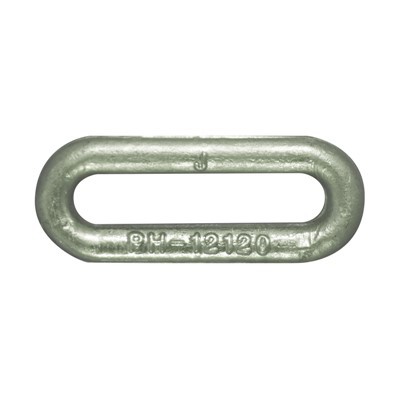

Hey there! As a supplier of PT Adjusting Plates, I often get asked about how these nifty little things work. So, I thought I'd take a few minutes to break down the working principle behind a PT Adjusting Plate for you.
First off, let's talk about what a PT Adjusting Plate actually is. In simple terms, it's a device used to make precise adjustments in various mechanical systems. These plates are super handy in industries where accuracy is key, like manufacturing, automotive, and aerospace. They can be used to fine - tune the position, alignment, or height of components, ensuring that everything works together smoothly.
The basic idea behind the PT Adjusting Plate is based on the principle of mechanical adjustment. It's all about being able to make small, controlled changes to the position of an object. Most PT Adjusting Plates are made up of a few key components: a base plate, an adjusting mechanism, and a locking system.
The base plate is the foundation of the adjusting plate. It's usually made of a strong and durable material, like steel or aluminum. This plate is designed to be mounted securely to a surface, such as a machine frame or a workbench. The stability of the base plate is crucial because it provides a solid platform for the rest of the adjustment process.
Now, let's get into the adjusting mechanism. There are different types of adjusting mechanisms used in PT Adjusting Plates, but one of the most common ones is the screw - based system. In a screw - based adjusting plate, there are one or more screws that are used to move the adjustable part of the plate. When you turn the screw, it either raises or lowers the adjustable section, depending on the direction of rotation.
For example, if you have a PT Adjusting Plate that's used to adjust the height of a machine part, turning the screw clockwise might raise the part, while turning it counter - clockwise would lower it. The threads on the screw are designed in such a way that each turn of the screw results in a very precise and consistent amount of movement. This allows you to make extremely accurate adjustments, sometimes down to fractions of a millimeter.
Another type of adjusting mechanism is the wedge - based system. In a wedge - based PT Adjusting Plate, a wedge is used to change the position of the adjustable part. By sliding the wedge in or out, you can increase or decrease the height or position of the component attached to the plate. This system is also very precise and is often used in applications where a high degree of accuracy is required.
Once you've made the necessary adjustments using the adjusting mechanism, you need to lock the plate in place to prevent any further movement. That's where the locking system comes in. Most PT Adjusting Plates have a locking mechanism, such as a locking nut or a clamping device. When you tighten the locking nut or engage the clamping device, it holds the adjustable part firmly in place, ensuring that your adjustments stay put.
Let's take a look at some of the applications of PT Adjusting Plates. In the manufacturing industry, these plates are used to align machine tools, such as lathes and milling machines. By using a PT Adjusting Plate, you can make sure that the cutting tools are in the exact right position, which improves the quality of the finished product.
In the automotive industry, PT Adjusting Plates are used in suspension systems to adjust the camber, caster, and toe of the wheels. This helps to improve the handling and performance of the vehicle. For example, if a car's wheels are not properly aligned, it can cause uneven tire wear and poor fuel efficiency. By using a PT Adjusting Plate to make the necessary adjustments, you can ensure that the wheels are perfectly aligned, which extends the life of the tires and improves the overall driving experience.


If you're in the market for a PT Adjusting Plate, we have a range of products to choose from. Check out our DB - 0770 - 170 Adjusting Plate and DB - 1080 - 200 Adjusting Plate. These plates are designed with high - quality materials and precision engineering to ensure reliable and accurate performance. You can also visit our PT Adjusting Plate page to see our full product line.
In conclusion, the working principle behind a PT Adjusting Plate is all about using mechanical means to make precise and controlled adjustments. Whether you're in the manufacturing, automotive, or any other industry that requires accurate positioning and alignment, a PT Adjusting Plate can be a valuable tool.
If you're interested in purchasing PT Adjusting Plates for your business, don't hesitate to reach out. We're here to help you find the right product for your specific needs. Just drop us a message, and we'll be happy to discuss your requirements and provide you with a quote.
References
- Machinery's Handbook: A comprehensive guide to mechanical engineering and manufacturing processes.
- Automotive Engineering Textbooks: Provide in - depth knowledge about vehicle suspension systems and alignment.