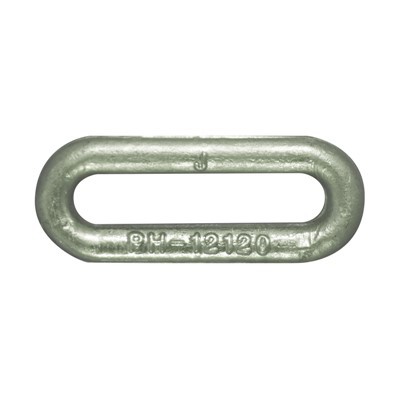

Hey there! As a clevis supplier, I've seen my fair share of worn - out clevis pins. Replacing them might seem like a daunting task, but with the right steps and a bit of know - how, it's actually quite doable. In this blog, I'll walk you through the process of replacing a worn - out clevis pin.
First off, let's understand what a clevis is. A clevis is a U - shaped piece of metal with holes at the end of the prongs. It's used in various applications, like in machinery, automotive, and even in some DIY projects. The clevis pin is what goes through those holes to connect the clevis to another part, like a rod or a bracket. Over time, due to constant use, friction, and environmental factors, the clevis pin can wear out.


Step 1: Gather Your Tools
Before you start replacing the clevis pin, you need to have the right tools on hand. You'll need a pair of pliers, a hammer, a punch, and a new clevis pin that matches the size and specifications of the old one. It's crucial to get the correct size because if the new pin is too big or too small, it won't work properly. You can find a wide range of clevises on our website, like the Z - 1080 Clevis, Hanging Board Z Type Clevis, and Z - 0780 Clevis.
Step 2: Safety First
Safety should always be your top priority. Make sure the equipment or machinery that the clevis is attached to is turned off and locked out if it's powered. If it's a vehicle, put it in park and set the parking brake. Wear safety glasses to protect your eyes from any flying debris when you're using the hammer and punch.
Step 3: Remove the Cotter Pin (if applicable)
Many clevis pins are secured with a cotter pin. The cotter pin is a small, bent piece of metal that goes through a hole in the end of the clevis pin to prevent it from coming out. Use the pliers to grip the cotter pin and bend it straight. Then, pull it out of the hole in the clevis pin.
Step 4: Remove the Old Clevis Pin
Once the cotter pin is out, it's time to remove the old clevis pin. If the pin is loose, you might be able to pull it out by hand. But if it's stuck, you'll need to use the punch and hammer. Place the punch on the end of the clevis pin and gently tap the punch with the hammer. Keep tapping until the pin starts to move. You may need to tap from both ends of the pin to get it out.
Step 5: Inspect the Clevis and the Connected Parts
While the old pin is out, take a close look at the clevis and the parts it's connected to. Check for any signs of wear, damage, or cracks. If you notice any issues, it's a good idea to address them before installing the new pin. For example, if the holes in the clevis are worn, they might need to be reamed or replaced.
Step 6: Install the New Clevis Pin
Now that everything is inspected and ready, it's time to install the new clevis pin. Insert the new pin through the holes in the clevis and the connected part. Make sure it goes all the way through and that the hole in the end of the pin lines up properly.
Step 7: Secure the New Clevis Pin
If the new pin is supposed to be secured with a cotter pin, insert the cotter pin through the hole in the end of the clevis pin. Bend the cotter pin back on itself to lock it in place. Make sure it's bent tightly so that it won't come loose.
Step 8: Test the Connection
Once the new clevis pin is installed and secured, test the connection. Move the parts that are connected by the clevis to make sure they move smoothly and that the pin is holding everything in place. If there's any play or if the parts don't move as they should, double - check the installation.
Troubleshooting
Sometimes, things don't go as smoothly as planned. Here are some common issues you might encounter and how to fix them:
- The new pin is too tight: If the new pin is too tight to insert, you can try lubricating it with some oil or grease. You can also use a file to gently sand the edges of the pin to make it fit better.
- The cotter pin won't go through the hole: If the hole in the end of the clevis pin is misaligned, try wiggling the pin slightly to get it to line up. You can also use a small drill bit to clean out the hole if it's clogged with debris.
- The connection is still loose: If the parts connected by the clevis are still loose after installing the new pin, check to make sure the pin is the correct size. You might also need to replace the washers or other components that are part of the connection.
Why Choose Our Clevises?
As a clevis supplier, we take pride in offering high - quality clevises. Our clevises are made from durable materials that can withstand the rigors of various applications. Whether you need a Z - 1080 Clevis for a heavy - duty machinery or a Hanging Board Z Type Clevis for a simple DIY project, we've got you covered.
We also provide excellent customer service. Our team is always ready to answer your questions and help you find the right clevis for your needs. If you're not sure which clevis is the best fit for your application, just give us a shout, and we'll guide you through the selection process.
Contact Us for Your Clevis Needs
If you're in the market for a new clevis or need more information about clevis pins and their replacement, don't hesitate to get in touch. We're here to assist you with all your clevis - related needs. Whether you're a small business owner, a DIY enthusiast, or a large - scale manufacturer, we can provide you with the clevises you need at competitive prices.
References
- Machinery's Handbook: A comprehensive guide to mechanical engineering and manufacturing processes.
- Automotive Repair Manuals: These manuals provide detailed information on vehicle components and their maintenance.