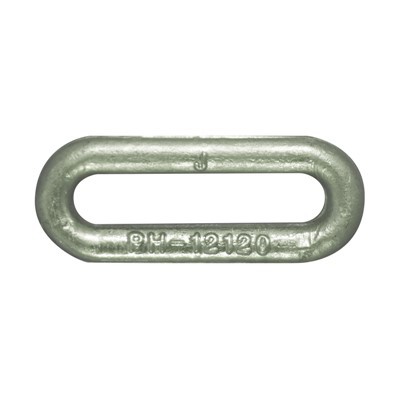

Hey there! As a supplier of adjusting plates, I often get asked a bunch of questions from customers. One question that pops up quite a bit is, "Can an adjusting plate be used in a high - humidity environment?" Well, let's dig into this topic and find out.
First off, let's understand what an adjusting plate is. Adjusting plates are those nifty little components that are used in a wide range of applications. They help in making precise adjustments to machinery, equipment, or structures. Whether it's aligning parts, leveling surfaces, or fine - tuning the position, adjusting plates are super handy. We've got different types of adjusting plates in our catalog, like the DB - 0770 - 170 Adjusting Plate, DB - 21120 - 180 Adjusting Plate, and PT Adjusting Plate. Each one is designed for specific needs and offers unique features.
Now, let's talk about high - humidity environments. High humidity means there's a lot of moisture in the air. Places like coastal areas, tropical regions, or industrial settings with steam or water vapor are typical high - humidity spots. In these environments, moisture can cause all sorts of problems for materials. Metals can rust, and other materials can warp, rot, or degrade over time.
So, can adjusting plates handle high - humidity conditions? The answer isn't a simple yes or no. It depends on a few factors.
Material of the Adjusting Plate
The material of the adjusting plate plays a huge role. Some materials are more resistant to moisture than others.
Metal Adjusting Plates
Many adjusting plates are made of metal, like steel or aluminum. Steel is strong and durable, but it's prone to rusting in high - humidity environments. Rust can weaken the plate, change its dimensions, and affect its performance. However, if the steel is properly treated, like being galvanized or coated with a rust - resistant paint, it can withstand high humidity much better.
Aluminum, on the other hand, forms a natural oxide layer on its surface when exposed to air. This layer acts as a protective barrier against moisture. So, aluminum adjusting plates are generally more resistant to corrosion in high - humidity conditions compared to untreated steel plates.
Non - Metal Adjusting Plates
There are also non - metal adjusting plates made from materials like plastic or composite materials. These can be a great option for high - humidity environments. Plastic is usually waterproof and doesn't rust. It can maintain its shape and properties even in the presence of moisture. Composite materials can be engineered to have high moisture resistance, making them suitable for use in damp conditions.
Surface Treatment
Surface treatment is another important factor. As I mentioned earlier, treating the surface of a metal adjusting plate can significantly improve its resistance to high humidity.
Galvanizing is a common treatment for steel plates. It involves coating the steel with a layer of zinc. Zinc corrodes more slowly than steel, and it acts as a sacrificial anode, protecting the steel beneath. Another option is powder coating. Powder coating creates a thick, durable layer on the surface of the plate that can prevent moisture from reaching the metal.
For non - metal plates, surface treatments can also be applied to enhance their performance. For example, some plastics can be treated with UV stabilizers and anti - microbial agents, which can be useful in high - humidity environments where mold and mildew can grow.


Design and Installation
The design and installation of the adjusting plate can also affect its performance in a high - humidity environment.
A well - designed adjusting plate should have proper drainage or ventilation features. If water can pool on the plate, it will increase the risk of corrosion or damage. For example, some plates are designed with holes or channels to allow water to drain away.
During installation, it's important to ensure that the plate is properly sealed and protected. If there are gaps or joints where moisture can seep in, it can cause problems over time. Using gaskets or sealants can help prevent water from getting in and protect the plate from the effects of high humidity.
Maintenance
Even if you choose the right material, apply the appropriate surface treatment, and install the plate correctly, maintenance is still crucial in a high - humidity environment.
Regular inspections should be carried out to check for any signs of damage or corrosion. If you notice any rust spots on a metal plate, they should be removed and treated as soon as possible. For non - metal plates, look for signs of cracking, warping, or mold growth.
Cleaning the plates regularly can also help. Removing dirt, dust, and other contaminants can prevent them from trapping moisture and causing damage. You can use mild detergents and water to clean the plates, but make sure to dry them thoroughly afterward.
Real - World Examples
Let's take a look at some real - world scenarios where adjusting plates are used in high - humidity environments.
In a coastal manufacturing plant, they use adjusting plates to align heavy machinery. The high humidity from the nearby ocean could potentially cause problems for the plates. However, they chose aluminum adjusting plates that were powder - coated for extra protection. They also have a regular maintenance schedule to check and clean the plates. As a result, the adjusting plates have been performing well for years, despite the challenging environment.
In a food processing facility, where there's a lot of steam and moisture, plastic adjusting plates are used. These plates are easy to clean and don't rust or corrode. They've been a great solution for the high - humidity conditions in the plant.
Conclusion
So, to answer the question, "Can an adjusting plate be used in a high - humidity environment?" Yes, it can, but you need to choose the right plate, apply proper surface treatments, ensure correct design and installation, and carry out regular maintenance.
As a supplier, we're here to help you make the best choice for your specific needs. Whether you're in a coastal area, a tropical climate, or an industrial setting with high humidity, we've got the adjusting plates that can stand up to the challenge. If you're interested in purchasing adjusting plates or have any questions about using them in high - humidity environments, feel free to reach out to us. We'll be more than happy to discuss your requirements and find the perfect solution for you.
References
- "Corrosion Prevention in High - Humidity Environments" - Journal of Materials Science
- "Surface Treatments for Metal Components in Damp Conditions" - Industrial Coatings Magazine
- "Plastic Materials and Their Performance in Moisture - Rich Settings" - Polymer Research Journal