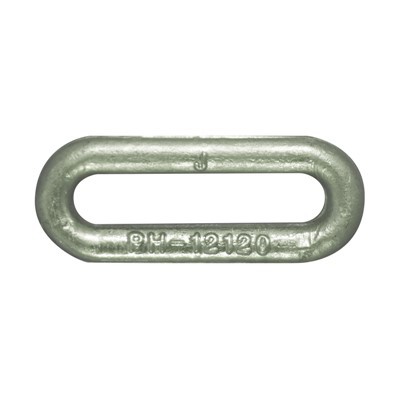

As a supplier of LS Yoke Plates, I often get asked about the compression strength of our products. Compression strength is a critical property in the performance and reliability of yoke plates, especially in applications where they are subjected to significant pressure or load. In this blog post, I will delve into what compression strength means for LS Yoke Plates, how it is measured, and why it matters in various industries.
Understanding Compression Strength
Compression strength refers to the maximum amount of compressive stress a material can withstand before it fails or deforms permanently. For LS Yoke Plates, this is crucial because they are often used in mechanical systems where they need to support heavy loads and resist crushing forces. The compression strength of a yoke plate determines its ability to maintain its shape and integrity under pressure, ensuring the smooth operation of the equipment it is part of.
The compression strength of LS Yoke Plates is influenced by several factors, including the material composition, manufacturing process, and design. Different materials have different inherent strengths, and the choice of material for a yoke plate can significantly impact its compression strength. For example, yoke plates made from high - strength alloys are likely to have higher compression strength compared to those made from standard steels.
The manufacturing process also plays a vital role. Precision machining and heat treatment can enhance the internal structure of the yoke plate, increasing its resistance to compression. A well - designed yoke plate with optimized geometry can distribute the compressive forces more evenly, reducing the risk of localized stress concentrations and improving overall compression strength.
Measuring Compression Strength
To determine the compression strength of LS Yoke Plates, standardized testing methods are employed. One of the most common methods is the uniaxial compression test. In this test, a sample of the yoke plate is placed between two parallel platens of a testing machine. A gradually increasing load is applied perpendicular to the faces of the sample until it fails. The maximum load the sample can withstand before failure is recorded, and the compression strength is calculated by dividing this load by the cross - sectional area of the sample.
The results of these tests are expressed in units of pressure, typically megapascals (MPa) or pounds per square inch (psi). These values provide a clear indication of the yoke plate's ability to resist compression and are used to compare different products and ensure they meet the required specifications for specific applications.
Importance of Compression Strength in Different Industries
Automotive Industry
In the automotive industry, LS Yoke Plates are used in various components such as steering systems and suspension assemblies. In steering systems, yoke plates need to withstand the forces generated during steering maneuvers. A yoke plate with insufficient compression strength may deform under these forces, leading to a loss of steering precision and potentially compromising vehicle safety. In suspension assemblies, yoke plates are subjected to the dynamic loads caused by road irregularities. High compression strength ensures that the yoke plates can maintain their shape and function properly, providing a smooth and stable ride.
Aerospace Industry
The aerospace industry demands the highest level of reliability and performance from all components, including LS Yoke Plates. Yoke plates in aerospace applications are often used in critical flight control systems. They need to withstand extreme compressive forces during takeoff, flight, and landing. A failure in a yoke plate due to low compression strength could have catastrophic consequences. Therefore, aerospace - grade LS Yoke Plates are carefully engineered and tested to ensure they have the necessary compression strength to meet the stringent requirements of this industry.
Heavy Machinery
In heavy machinery such as construction equipment and mining machinery, LS Yoke Plates are used in many load - bearing components. These machines operate under harsh conditions and are subjected to extremely high loads. Yoke plates with high compression strength are essential to ensure the durability and reliability of the machinery. For example, in a hydraulic excavator, yoke plates in the boom and arm assemblies need to resist the large compressive forces generated during digging and lifting operations.
Compression Strength of Our LS Yoke Plate Products
We offer a wide range of LS Yoke Plates, each designed to meet specific compression strength requirements. For instance, our LF - 2140 Yoke Plate is made from a high - strength alloy and undergoes a precision manufacturing process. It has been tested to have a compression strength of over 800 MPa, making it suitable for applications where high - load resistance is required.
Our L - 12 - 70/400 Yoke Plate is another popular product. With its optimized design and advanced heat treatment, it can withstand compressive forces up to 750 MPa. This makes it a reliable choice for medium - to high - load applications in various industries.
The LF - 21 - 110/400 yoke plate is engineered for applications that demand both high compression strength and corrosion resistance. It has a compression strength of approximately 700 MPa and is coated with a special anti - corrosion layer to ensure long - term performance in harsh environments.


Factors Affecting Compression Strength in Real - World Applications
In real - world applications, the compression strength of LS Yoke Plates can be affected by factors other than the material and manufacturing process. Environmental conditions such as temperature and humidity can have an impact. High temperatures can reduce the material's strength, while high humidity can lead to corrosion, which can weaken the yoke plate over time.
The frequency and magnitude of the applied loads also play a role. Cyclic loading, where the yoke plate is subjected to repeated compressive forces, can cause fatigue and reduce the effective compression strength. Therefore, it is important to consider these factors when selecting an LS Yoke Plate for a specific application and to ensure proper maintenance to extend the product's lifespan.
Conclusion
The compression strength of LS Yoke Plates is a crucial property that determines their performance and reliability in various industries. As a supplier, we are committed to providing high - quality yoke plates with optimal compression strength. Our products are carefully engineered, manufactured, and tested to meet the diverse needs of our customers.
If you are in the market for LS Yoke Plates and need products with specific compression strength requirements, we invite you to contact us for a detailed discussion. Our team of experts can help you select the right yoke plate for your application and provide all the necessary technical support. Let's work together to ensure the success of your projects with our reliable LS Yoke Plates.
References
- ASTM International. (Year). Standard Test Method for Compressive Strength of Rigid Plastics. ASTM D695.
- ASME Boiler and Pressure Vessel Code. (Year). Section VIII, Division 1: Rules for Construction of Pressure Vessels.