


As a supplier of Z Clevises, I've been deeply involved in understanding the intricacies of these essential components. Z Clevises are widely used in various industries, from construction to machinery, due to their versatility and reliability. One of the most common questions I encounter from potential buyers is about the chemical composition of the materials used in Z Clevises. In this blog post, I'll delve into the details of these materials and their chemical makeup to provide a comprehensive understanding.
Common Materials for Z Clevises
Z Clevises are typically made from a few key materials, each with its own unique chemical composition and properties. The most common materials include carbon steel, alloy steel, and stainless steel.
Carbon Steel
Carbon steel is one of the most widely used materials for Z Clevises. It is composed primarily of iron and carbon, with small amounts of other elements such as manganese, silicon, sulfur, and phosphorus. The carbon content in carbon steel can range from 0.05% to 2.1%, which significantly affects its strength and hardness.
Low - carbon steel, with a carbon content of less than 0.3%, is relatively soft and ductile. It is easy to form and weld, making it suitable for applications where flexibility and ease of fabrication are important. For example, in some light - duty Z Clevises used in simple mechanical assemblies, low - carbon steel can be a cost - effective choice.
Medium - carbon steel, with a carbon content between 0.3% and 0.6%, offers a good balance of strength and ductility. It is often heat - treated to improve its mechanical properties, such as hardness and wear resistance. Many medium - duty Z Clevises used in construction and general machinery are made from medium - carbon steel.
High - carbon steel, with a carbon content above 0.6%, is very hard and strong but less ductile. It is commonly used in applications where high wear resistance and strength are required, such as heavy - duty Z Clevises in industrial equipment.
The chemical composition of a typical medium - carbon steel used in Z Clevises might be as follows:
- Iron (Fe): Approximately 98%
- Carbon (C): 0.3% - 0.6%
- Manganese (Mn): 0.6% - 1.65%
- Silicon (Si): 0.15% - 0.35%
- Sulfur (S): Max 0.05%
- Phosphorus (P): Max 0.04%
Alloy Steel
Alloy steel is carbon steel that has been alloyed with other elements to enhance its properties. Common alloying elements include chromium (Cr), nickel (Ni), molybdenum (Mo), vanadium (V), and tungsten (W). These elements can improve the strength, hardness, toughness, corrosion resistance, and heat resistance of the steel.
For example, chromium is often added to increase corrosion resistance and hardness. Nickel improves toughness and ductility, especially at low temperatures. Molybdenum enhances strength and hardenability, making the steel suitable for high - stress applications.
An alloy steel Z Clevis might be used in more demanding environments, such as in the aerospace or automotive industries. A common alloy steel used in Z Clevises could have the following chemical composition:
- Iron (Fe): Base
- Carbon (C): 0.2% - 0.5%
- Chromium (Cr): 0.5% - 1.5%
- Nickel (Ni): 0.5% - 2%
- Molybdenum (Mo): 0.1% - 0.5%
- Manganese (Mn): 0.5% - 1.5%
- Silicon (Si): 0.1% - 0.5%
Stainless Steel
Stainless steel is a popular choice for Z Clevises in applications where corrosion resistance is crucial. It contains a minimum of 10.5% chromium, which forms a passive oxide layer on the surface of the steel, protecting it from rust and corrosion. Other common alloying elements in stainless steel include nickel, molybdenum, and titanium.
There are different grades of stainless steel, such as austenitic, ferritic, and martensitic. Austenitic stainless steels, like 304 and 316, are the most widely used for Z Clevises. They are non - magnetic, highly corrosion - resistant, and have good formability and weldability.
The chemical composition of a typical 304 stainless steel used in Z Clevises is:

- Iron (Fe): Approximately 70%
- Chromium (Cr): 18% - 20%
- Nickel (Ni): 8% - 10.5%
- Carbon (C): Max 0.08%
- Manganese (Mn): Max 2%
- Silicon (Si): Max 0.75%
- Phosphorus (P): Max 0.045%
- Sulfur (S): Max 0.03%
Impact of Chemical Composition on Performance
The chemical composition of the material used in a Z Clevis has a direct impact on its performance. For instance, the carbon content in carbon steel affects its strength and hardness. Higher carbon content generally means higher strength but lower ductility. This is important to consider when choosing a Z Clevis for a specific application. If the Z Clevis needs to withstand high loads without deforming, a high - carbon steel or alloy steel might be a better choice.
Alloying elements in alloy steel and stainless steel can significantly improve the corrosion resistance, heat resistance, and mechanical properties of the Z Clevis. In a marine environment, a stainless steel Z Clevis with a high chromium and nickel content will be more resistant to saltwater corrosion compared to a carbon steel Z Clevis.
Our Product Range
We offer a wide range of Z Clevises made from different materials to meet the diverse needs of our customers. For example, our UB - 10 Clevis is made from high - quality carbon steel, providing a good balance of strength and affordability. It is suitable for general - purpose applications in construction and machinery.
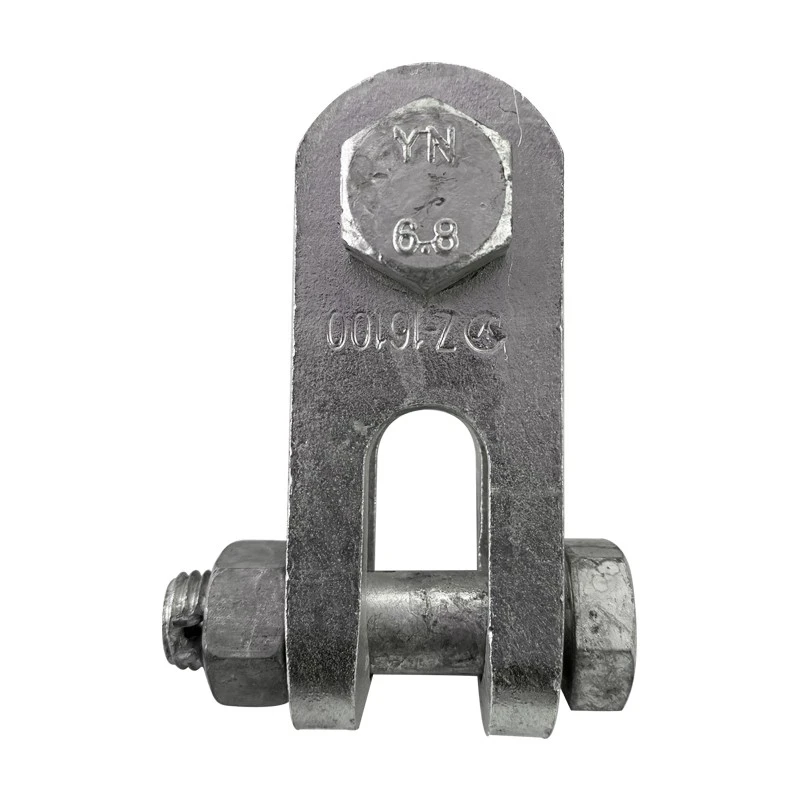
Our Z - 16100 Clevis is crafted from alloy steel, which offers enhanced strength and toughness. This makes it ideal for high - stress applications in industries such as automotive and aerospace.
If you need a Z Clevis with excellent corrosion resistance, our PD - 16 Clevis made from 304 stainless steel is a great option. It can be used in outdoor or corrosive environments without the risk of rusting.
Contact Us for Procurement
If you are interested in our Z Clevis products or have any questions about the chemical composition and performance of our materials, please feel free to contact us. We are committed to providing high - quality products and excellent customer service. Our team of experts can help you choose the right Z Clevis for your specific application based on your requirements. Whether you need a small quantity for a prototype or a large - scale order for a production project, we can meet your needs.
References
- ASM Handbook Committee. (2004). ASM Handbook Volume 1: Properties and Selection: Irons, Steels, and High - Performance Alloys. ASM International.
- Degarmo, E. P., Black, J. T., & Kohser, R. A. (2003). Materials and Processes in Manufacturing. John Wiley & Sons.
- Metals Handbook Committee. (1990). Metals Handbook Desk Edition. ASM International.


