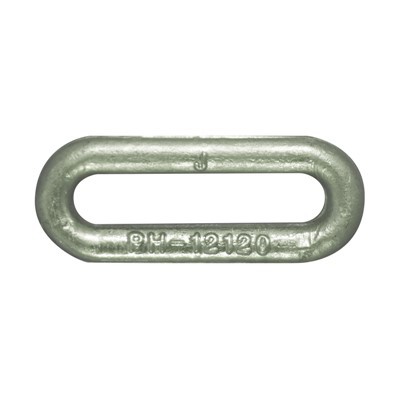

As a trusted supplier of adjusting plates, I've had the privilege of witnessing firsthand how these unassuming yet crucial components play a pivotal role in a wide range of industries. In this blog, I'll delve into the workings of adjusting plates, exploring their design, functionality, and the diverse applications they serve.
Understanding the Basics of Adjusting Plates
Adjusting plates are precision-engineered components designed to provide accurate and reliable adjustment in various mechanical systems. They are typically used to fine-tune the position, alignment, or spacing of different parts within a machine or structure. The primary function of an adjusting plate is to compensate for dimensional variations, misalignments, or wear and tear that may occur over time.
Design and Construction
Adjusting plates are available in a variety of shapes, sizes, and materials to suit different applications. The most common materials used for adjusting plates include steel, aluminum, and brass, each offering unique properties such as strength, durability, and corrosion resistance.
The design of an adjusting plate is carefully engineered to ensure precise adjustment and long-term reliability. Most adjusting plates feature a series of holes or slots that allow for easy installation and adjustment using bolts, screws, or other fasteners. Some adjusting plates may also incorporate additional features such as leveling feet, shims, or locking mechanisms to enhance their functionality.
How Adjusting Plates Work
The operation of an adjusting plate is relatively straightforward. When installed in a mechanical system, the adjusting plate acts as a buffer between two or more components, allowing for precise adjustment of their relative position or alignment. This adjustment can be achieved by loosening the fasteners, moving the adjusting plate to the desired position, and then tightening the fasteners to secure it in place.
The adjustment process typically involves making small incremental changes to the position of the adjusting plate until the desired alignment or spacing is achieved. This may require the use of measuring tools such as calipers, micrometers, or dial indicators to ensure accurate adjustment. Once the adjustment is complete, the adjusting plate provides a stable and reliable support for the components it is connecting, helping to prevent misalignment, vibration, and premature wear.
Applications of Adjusting Plates
Adjusting plates are used in a wide range of industries and applications, including manufacturing, automotive, aerospace, and construction. Some common applications of adjusting plates include:


- Machine Tool Alignment: In the manufacturing industry, adjusting plates are used to align machine tools such as lathes, mills, and grinders. By precisely adjusting the position of the machine tool components, adjusting plates help to ensure accurate machining and improve the quality of the finished products.
- Automotive Suspension Systems: Adjusting plates are used in automotive suspension systems to fine-tune the alignment of the wheels and axles. This helps to improve handling, reduce tire wear, and enhance the overall safety and performance of the vehicle.
- Aerospace Components: In the aerospace industry, adjusting plates are used to align and support critical components such as engines, wings, and landing gear. The precise adjustment provided by adjusting plates is essential for ensuring the safe and reliable operation of aircraft.
- Construction and Building: Adjusting plates are used in construction and building applications to level and align structural components such as beams, columns, and floors. This helps to ensure the stability and integrity of the building structure.
Our Product Range
At our company, we offer a comprehensive range of adjusting plates to meet the diverse needs of our customers. Our product range includes the DB-16110-170 Adjusting Plate, DB-21120-180 Adjusting Plate, and PT Type Adjusting Plate. These adjusting plates are manufactured to the highest quality standards using the latest technology and materials, ensuring reliable performance and long service life.
Why Choose Our Adjusting Plates
- Precision Engineering: Our adjusting plates are precision-engineered to provide accurate and reliable adjustment, ensuring optimal performance in your mechanical systems.
- High-Quality Materials: We use only the highest quality materials in the manufacturing of our adjusting plates, ensuring durability and corrosion resistance.
- Customization Options: We offer customization options to meet the specific requirements of our customers. Whether you need a special size, shape, or material, we can work with you to develop a solution that meets your needs.
- Exceptional Customer Service: Our team of experienced professionals is dedicated to providing exceptional customer service. We are committed to ensuring that our customers are satisfied with our products and services, and we are always available to answer any questions or provide technical support.
Contact Us for Your Adjusting Plate Needs
If you are in the market for high-quality adjusting plates, we invite you to contact us to discuss your specific requirements. Our team of experts will be happy to assist you in selecting the right adjusting plate for your application and provide you with a competitive quote. We look forward to working with you to meet your adjusting plate needs.
References
- Smith, J. (2018). Mechanical Engineering Handbook. McGraw-Hill Education.
- Jones, R. (2019). Automotive Suspension Design and Analysis. SAE International.
- Brown, A. (2020). Aerospace Engineering Principles. Cambridge University Press.