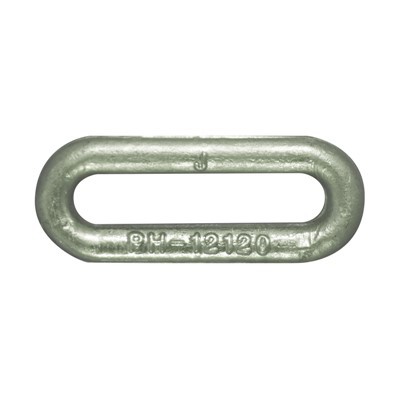

As a yoke plate supplier, I often get asked about the recyclability of these components. Yoke plates are used in a wide range of industries, from automotive to aerospace, and their end - of - life management is a hot topic these days. So, can a yoke plate be recycled? Let's dig into it.
First off, what exactly is a yoke plate? Yoke plates are mechanical parts that are typically used to connect different components or to provide support and alignment. They come in various shapes, sizes, and materials. For instance, you can check out our LV - 2115 Yoke Plate, L - 12 - 70/400 Yoke Plate, and LF - 2140 Yoke Plate on our website. These are just a few examples of the diverse range of yoke plates we offer, each designed to meet specific industry needs.
Now, let's talk about the materials. Most yoke plates are made from metals like steel, aluminum, or brass. And here's the good news: these metals are highly recyclable. Steel, for example, is one of the most recycled materials in the world. Recycling steel not only conserves natural resources but also saves a significant amount of energy compared to producing new steel from raw materials. When a steel yoke plate reaches the end of its useful life, it can be melted down and reused to make new products, including more yoke plates.
Aluminum is another common material for yoke plates. Aluminum recycling is also a well - established process. Recycling aluminum requires only about 5% of the energy needed to produce new aluminum from bauxite ore. This makes it an environmentally friendly option. Once an aluminum yoke plate is collected for recycling, it goes through a series of processes to remove impurities and then is melted and cast into new aluminum products.
Brass yoke plates can also be recycled. Brass is an alloy of copper and zinc, and both of these metals are valuable and can be recovered during the recycling process. Recycling brass helps reduce the demand for newly mined copper and zinc, which in turn has a positive impact on the environment.
However, the recyclability of a yoke plate isn't just about the material. There are other factors to consider. One of the main challenges is the presence of coatings or treatments on the yoke plate. Some yoke plates may have paint, plating, or other surface treatments for corrosion resistance or aesthetic purposes. These coatings can complicate the recycling process. For example, if a yoke plate has a thick layer of paint, the paint needs to be removed before the metal can be recycled. This adds an extra step and cost to the recycling process.
Another factor is the design of the yoke plate. If a yoke plate is made up of multiple materials that are difficult to separate, it can also pose a problem for recycling. For instance, if a yoke plate has plastic inserts or rubber gaskets, separating these materials from the metal can be time - consuming and costly.
The location and availability of recycling facilities also play a role. In some areas, there may be well - equipped recycling centers that can handle yoke plates, while in other areas, the options may be limited. It's important for businesses and end - users to find out what recycling options are available in their area.
As a yoke plate supplier, we're committed to promoting sustainable practices. We're constantly looking for ways to make our products more recyclable. For example, we're exploring the use of more easily separable materials in our yoke plate designs and are working on reducing the use of coatings that are difficult to remove during recycling.
We also encourage our customers to consider the end - of - life management of the yoke plates they purchase. By choosing yoke plates made from recyclable materials and properly disposing of them at the end of their useful life, customers can contribute to a more sustainable future.
If you're in the market for yoke plates, we'd love to talk to you. We have a wide selection of high - quality yoke plates that are not only designed to perform well but also have a good potential for recycling. Whether you're in the automotive, aerospace, or any other industry, we can provide you with the right yoke plates for your needs.
In conclusion, yoke plates made from common metals like steel, aluminum, and brass are generally recyclable. But there are challenges related to coatings, multi - material designs, and the availability of recycling facilities. As a supplier, we're taking steps to make our yoke plates more recyclable, and we hope our customers will also play their part in promoting sustainable practices. If you're interested in learning more about our yoke plates or have any questions about their recyclability, feel free to reach out. We're here to assist you in finding the best solutions for your business.


References
- Recycling Institute of America. "Metal Recycling Basics."
- International Aluminium Institute. "Aluminium Recycling Facts."
- Copper Development Association. "Brass Recycling Guide."