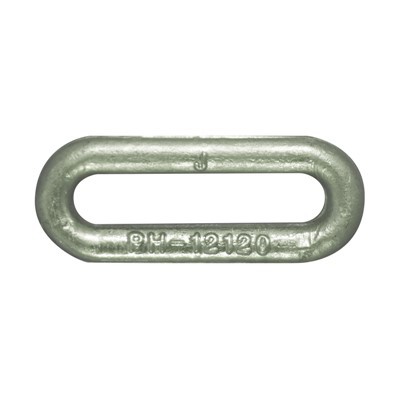

Hey there! As a yoke plate supplier, I often get asked about the airtightness requirements for yoke plates in pneumatic systems. It's a crucial topic, so I thought I'd share some insights on this.
First off, let's understand what a pneumatic system is. In simple terms, it's a system that uses compressed air to transmit and control energy. Yoke plates play a vital role in these systems. They're like the connectors that hold different parts together and ensure the smooth operation of the whole setup.
Now, why is airtightness so important for yoke plates in a pneumatic system? Well, if there's any air leakage, it can lead to a whole bunch of problems. For starters, it can reduce the efficiency of the system. You see, when air leaks out, the pressure in the system drops. And since pneumatic systems rely on pressure to work, a drop in pressure means the system has to work harder to achieve the same results. This not only wastes energy but also increases wear and tear on the components, which can lead to more frequent breakdowns and higher maintenance costs.
Another issue with air leakage is that it can affect the accuracy of the system. In many industrial applications, pneumatic systems are used for precise operations, like controlling the movement of robotic arms or the flow of fluids. If there's air leakage, it can cause inconsistent movements or inaccurate flow rates, which can mess up the entire process.
So, what are the airtightness requirements for yoke plates? Well, it depends on the specific application. Different industries and different systems have different standards. For example, in the automotive industry, where pneumatic systems are used for things like brake systems and engine control, the airtightness requirements are usually very strict. Even a small amount of air leakage can have serious consequences, like reduced braking performance or engine malfunction.
On the other hand, in some less critical applications, like simple pneumatic actuators used in small machinery, the airtightness requirements might be a bit more lenient. But that doesn't mean air leakage is okay. Even in these cases, it's still important to minimize leakage as much as possible to ensure the system works efficiently and reliably.
One of the key factors that affect the airtightness of yoke plates is the material they're made of. High - quality materials are more likely to provide better airtightness. For example, some yoke plates are made of stainless steel, which is not only strong but also has good corrosion resistance. This helps to maintain the integrity of the yoke plate over time and reduces the risk of air leakage due to material degradation.
Another important factor is the manufacturing process. Precision machining is essential to ensure that the yoke plates fit together properly. Any irregularities in the surface finish or dimensions can create gaps where air can escape. That's why we, as a yoke plate supplier, pay a lot of attention to the manufacturing details. We use advanced machining techniques and quality control measures to make sure that each yoke plate meets the required airtightness standards.
Let's take a look at some of the yoke plates we offer. We have the LV - 3018 Yoke Plate. This yoke plate is designed for high - performance pneumatic systems. It's made of a special alloy that provides excellent airtightness and durability. It's been tested rigorously to ensure that it meets the strictest industry standards.
Then there's the LS - 1221. This is a more versatile yoke plate that can be used in a wide range of pneumatic applications. It offers a good balance between airtightness and cost - effectiveness, making it a popular choice among our customers.

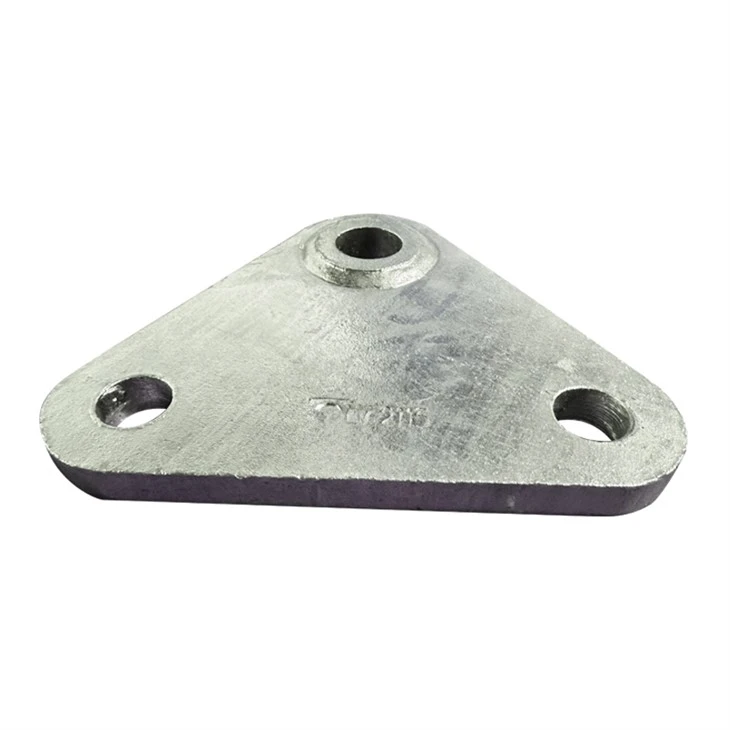
And we also have the LV - 2115 Yoke Plate. This one is known for its precision engineering. It's designed to fit perfectly in pneumatic systems, minimizing the risk of air leakage and ensuring smooth operation.
When it comes to testing the airtightness of yoke plates, there are several methods. One common method is the pressure decay test. In this test, the yoke plate is sealed and pressurized with air. Then, the pressure is monitored over a period of time. If the pressure drops below a certain level, it indicates that there's air leakage.
Another method is the bubble test. In this test, the yoke plate is submerged in a liquid, usually soapy water. If there's air leakage, bubbles will form at the point of leakage, making it easy to detect.
As a yoke plate supplier, we understand the importance of providing products that meet the airtightness requirements of our customers. That's why we invest a lot in research and development to continuously improve our products. We also work closely with our customers to understand their specific needs and provide customized solutions.
If you're in the market for yoke plates for your pneumatic system, don't hesitate to reach out. We're here to help you find the right yoke plates that meet your airtightness requirements and fit your budget. Whether you're in the automotive industry, manufacturing, or any other field that uses pneumatic systems, we've got you covered.
So, if you're interested in learning more about our yoke plates or have any questions about airtightness requirements, feel free to contact us. We're always happy to have a chat and discuss how we can help you with your pneumatic system needs.
References:
- Pneumatic Systems Handbook: A comprehensive guide on the design, operation, and maintenance of pneumatic systems.
- Industrial Standards for Pneumatic Components: A collection of industry - wide standards for pneumatic components, including yoke plates.