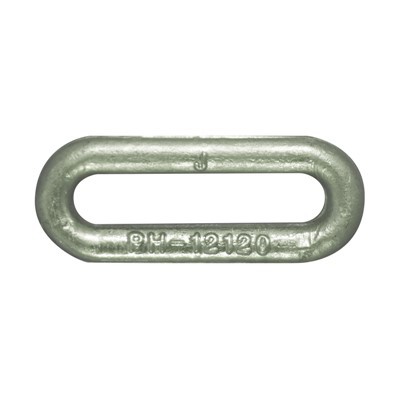

Hey there! As a Z Clevis supplier, I've seen firsthand how important it is to maintain these little but mighty pieces of hardware. Z Clevises are crucial in various applications, from construction to machinery, and keeping them in top - notch condition can save you a ton of hassle and money in the long run. So, let's dive into how to maintain a Z Clevis.
Understanding the Basics of a Z Clevis
Before we start talking about maintenance, let's quickly go over what a Z Clevis is. A Z Clevis is a U - shaped metal fitting with holes at the open ends. It's typically used to connect different components in a mechanical system, allowing for some degree of movement and flexibility. You might also come across related products like the P Clevis, which has a slightly different design but serves a similar purpose.
Regular Inspection
The first step in maintaining a Z Clevis is regular inspection. You should give your Z Clevis a once - over at least once a month, or more frequently if it's used in a high - stress or high - wear environment.
Visual Checks
Start by looking for any visible signs of damage. Check for cracks, dents, or any deformation in the metal. Cracks can be particularly dangerous as they can lead to sudden failure of the Z Clevis. If you spot a crack, it's best to replace the Z Clevis immediately.
Also, look at the holes where pins are inserted. Make sure they're not worn out or enlarged. Over time, the repeated insertion and removal of pins can cause the holes to become loose, which can affect the stability of the connection.
Surface Condition
Inspect the surface of the Z Clevis for rust or corrosion. If you're using a Galvanized Z Clevis, the galvanization should protect it from rust to some extent. However, if the galvanized coating is damaged, rust can start to form. Use a wire brush to remove any loose rust and then apply a rust - inhibiting paint or coating to prevent further corrosion.
Cleaning
Cleaning your Z Clevis regularly is essential for its proper functioning. Dirt, debris, and grime can accumulate on the surface and inside the holes, which can cause increased friction and wear.
Simple Cleaning
For light dirt, you can use a mild soap and water solution. Dip a cloth or a soft brush into the solution and gently scrub the Z Clevis. Make sure to clean inside the holes as well. Rinse it thoroughly with clean water and dry it completely to prevent rust.
Heavy - Duty Cleaning
If the Z Clevis is really dirty or has grease buildup, you might need to use a degreaser. Apply the degreaser according to the manufacturer's instructions and let it sit for a few minutes to break down the grease. Then, use a brush to scrub the Z Clevis and rinse it off.
Lubrication
Proper lubrication can significantly extend the life of your Z Clevis. It reduces friction between moving parts, which in turn reduces wear and tear.
Choosing the Right Lubricant
There are different types of lubricants available, such as grease and oil. For Z Clevises, a high - quality grease is usually the best choice. Grease stays in place better than oil and provides long - lasting lubrication.


Applying Lubricant
Apply the grease to the holes where the pins are inserted and to any other moving parts. Use a grease gun or a small brush to ensure even coverage. Be careful not to over - lubricate, as excess grease can attract dirt and debris.
Proper Storage
When the Z Clevis is not in use, proper storage is crucial to prevent damage.
Dry Environment
Store the Z Clevis in a dry place to prevent rust and corrosion. If possible, keep it in a climate - controlled environment. Avoid storing it in areas where it can be exposed to moisture, such as near open windows or in basements prone to flooding.
Protection from Physical Damage
Store the Z Clevis in a way that it won't be bumped or knocked around. You can use a storage box or a rack to keep it organized and protected.
Specific Considerations for Different Models
If you're using a Z - 21100 Clevis or other specific models, there might be some additional maintenance requirements. Always refer to the manufacturer's instructions for the best practices. Some models might have special coatings or materials that require specific cleaning or lubrication methods.
Troubleshooting Common Issues
Even with regular maintenance, you might encounter some issues with your Z Clevis. Here are some common problems and how to fix them.
Loose Connection
If the Z Clevis seems to be making a loose connection, check the pins and the holes. The pins might be worn out or the holes might be enlarged. Replace the pins if necessary, and if the holes are too large, you might need to replace the entire Z Clevis.
Difficulty Inserting or Removing Pins
If you're having trouble inserting or removing pins, it could be due to dirt or corrosion in the holes. Clean the holes thoroughly and apply lubricant. If the problem persists, there might be a deformation in the holes, and you should replace the Z Clevis.
Why Maintenance Matters
Maintaining your Z Clevis is not just about making it last longer. It's also about safety. A poorly maintained Z Clevis can fail unexpectedly, which can lead to accidents and injuries. In industrial settings, a Z Clevis failure can cause costly downtime and damage to equipment.
By following these maintenance tips, you can ensure that your Z Clevis performs at its best and keeps your operations running smoothly.
Let's Connect!
If you're in the market for high - quality Z Clevises or have any questions about maintenance or product selection, I'd love to hear from you. We're here to provide you with the best products and support. Reach out to us to start a conversation about your specific needs, and let's see how we can work together to meet your requirements.
References
- Machinery's Handbook: A comprehensive guide to mechanical design and maintenance.
- Manufacturer's manuals for Z Clevis products.