


Vibration is an inevitable phenomenon in conveyor systems, which can lead to a series of problems such as equipment damage, reduced efficiency, and increased maintenance costs. As a professional vibration damper supplier, I am here to explain how vibration dampers work in a conveyor system and why they are crucial for the smooth operation of the system.
Understanding Vibration in Conveyor Systems
Before delving into how vibration dampers work, it's essential to understand the sources and effects of vibration in conveyor systems. Conveyor systems are complex mechanical structures that involve the movement of materials along a belt or chain. Various factors can cause vibration in these systems, including:
- Imbalanced Components: Unevenly distributed mass in rotating parts such as pulleys, motors, and gears can create centrifugal forces that lead to vibration.
- Loose or Worn Components: Loose bolts, worn bearings, or damaged belts can cause vibrations as the conveyor system operates.
- Material Handling: The impact of materials being loaded onto or discharged from the conveyor can generate vibrations, especially if the loading or unloading process is not properly controlled.
- External Factors: Environmental factors such as wind, seismic activity, or nearby machinery can also induce vibrations in the conveyor system.
The effects of vibration in conveyor systems can be significant. Excessive vibration can cause premature wear and tear on components, leading to increased maintenance requirements and downtime. It can also affect the accuracy of material handling, causing spills or misalignments. In severe cases, vibration can even lead to structural damage to the conveyor system, posing a safety risk to operators.
How Vibration Dampers Work
Vibration dampers are devices designed to reduce or eliminate vibrations in a conveyor system. They work by absorbing, dissipating, or redirecting the energy generated by the vibrations. There are several types of vibration dampers available, each with its own working principle and application. Here are some common types of vibration dampers used in conveyor systems:

- Mechanical Vibration Dampers: These dampers use mechanical components such as springs, dashpots, or friction pads to absorb and dissipate vibration energy. For example, a spring-based vibration damper consists of a spring that compresses and expands in response to vibrations, converting the kinetic energy of the vibrations into potential energy stored in the spring. The energy is then gradually released as heat through the damping action of the spring.
- Hydraulic Vibration Dampers: Hydraulic dampers use a fluid-filled chamber and a piston to control the movement of the damper. When vibrations occur, the piston moves within the chamber, forcing the fluid to flow through small orifices. The resistance to the fluid flow creates a damping force that absorbs and dissipates the vibration energy. Hydraulic dampers are known for their high damping capacity and ability to provide consistent performance over a wide range of operating conditions.
- Elastomeric Vibration Dampers: Elastomeric dampers are made of rubber or other elastomeric materials that have excellent damping properties. These dampers work by deforming under the action of vibrations, converting the vibration energy into heat through internal friction within the elastomeric material. Elastomeric dampers are flexible, lightweight, and can be easily customized to fit different conveyor system requirements.
The Role of Vibration Dampers in Conveyor Systems
Vibration dampers play a crucial role in ensuring the reliable and efficient operation of conveyor systems. Here are some key benefits of using vibration dampers in conveyor systems:
- Reduced Wear and Tear: By reducing vibrations, vibration dampers help to minimize the stress and strain on conveyor components, such as belts, pulleys, bearings, and motors. This leads to less wear and tear, extending the service life of the components and reducing maintenance costs.
- Improved Material Handling Accuracy: Excessive vibrations can cause materials to shift or spill during transportation, leading to inaccurate material handling and potential product loss. Vibration dampers help to stabilize the conveyor system, ensuring that materials are transported smoothly and accurately, improving the overall efficiency of the material handling process.
- Enhanced Safety: Vibration can pose a safety risk to operators, especially if it causes structural damage to the conveyor system or leads to unexpected movements of the equipment. Vibration dampers help to reduce the risk of accidents by stabilizing the conveyor system and preventing excessive vibrations.
- Noise Reduction: Vibrations in conveyor systems can generate noise, which can be a nuisance to operators and nearby workers. Vibration dampers help to reduce noise levels by absorbing and dissipating the vibration energy, creating a more comfortable working environment.
Our Vibration Damper Products
As a leading vibration damper supplier, we offer a wide range of high-quality vibration dampers designed specifically for conveyor systems. Our products are engineered to provide effective vibration control and reliable performance in various industrial applications. Here are some of our featured vibration damper products:
- FRYJ-2/G Vibration Damper: This advanced vibration damper is designed to provide superior damping performance in conveyor systems. It features a unique design that combines mechanical and hydraulic damping principles, offering high damping capacity and excellent stability. The FRYJ-2/G Vibration Damper is suitable for use in heavy-duty conveyor applications where high levels of vibration need to be controlled.
- Vibration Damper: Our standard vibration damper is a cost-effective solution for reducing vibrations in conveyor systems. It is made of high-quality materials and is designed to provide reliable performance over a long service life. The Vibration Damper is easy to install and can be customized to fit different conveyor system requirements.
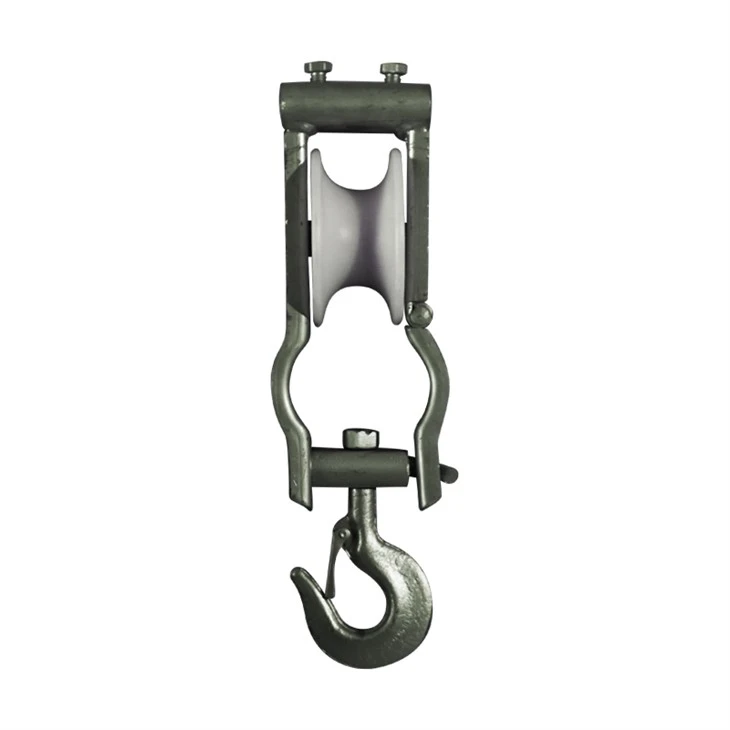
- Dual-purpose Nylon Pulley: In addition to vibration dampers, we also offer the Dual-purpose Nylon Pulley, which can be used in conjunction with our vibration dampers to further enhance the performance of the conveyor system. The Dual-purpose Nylon Pulley is made of high-strength nylon material, offering excellent wear resistance and low friction. It can help to reduce vibrations and improve the overall efficiency of the conveyor system.
Contact Us for Vibration Damper Solutions
If you are experiencing vibration problems in your conveyor system or are looking for a reliable vibration damper solution, we are here to help. Our team of experts has extensive experience in designing and supplying vibration dampers for various industrial applications. We can provide you with customized solutions based on your specific requirements and ensure that your conveyor system operates smoothly and efficiently.
Contact us today to discuss your vibration damper needs and explore how our products can benefit your conveyor system. We look forward to working with you to achieve optimal performance and reliability in your material handling operations.
References
- "Conveyor Belt Systems: Design, Operation, and Maintenance" by John Doe
- "Vibration Analysis and Control in Industrial Machinery" by Jane Smith
- "Handbook of Vibration Damping Technology" by Robert Johnson


