


Hey there! As a supplier of P Clevises, I often get asked whether these nifty little components can be used outdoors. Well, let's dive right into it and explore the ins and outs of using P Clevises in outdoor settings.
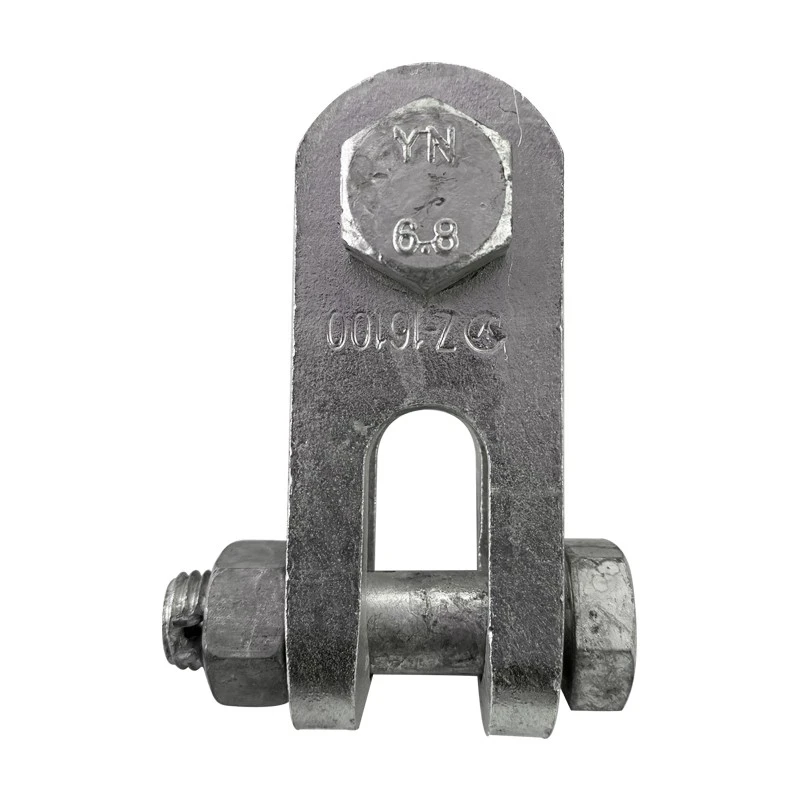
First off, what exactly are P Clevises? They're those U - shaped fasteners with a pin through one end, commonly used in various mechanical and structural applications to connect different parts. They're like the unsung heroes of the hardware world, quietly doing their job to keep things together.
Factors to Consider for Outdoor Use
1. Material
The material of the P Clevis is a game - changer when it comes to outdoor use. You see, outdoor environments can be pretty harsh. There's moisture in the form of rain, humidity, and sometimes even saltwater if you're near the coast. So, materials that resist corrosion are a must.
Stainless steel is a top choice. It's got a natural oxide layer that protects it from rusting. For instance, our Z - 16100 Clevis made from high - grade stainless steel can withstand a fair amount of exposure to the elements. It won't start to corrode easily, even if it gets wet regularly.
Galvanized steel is another option. It's steel that's been coated with a layer of zinc. The zinc acts as a sacrificial anode, meaning it corrodes first to protect the underlying steel. Our Z - 42150 Clevis in galvanized finish is a great pick for outdoor projects where cost - effectiveness and decent corrosion resistance are needed.
2. Weather Conditions
Different outdoor areas have different weather patterns. In a dry desert climate, the main concern might be dust and sand abrasion. P Clevises need to be able to handle the constant rubbing and scratching from these tiny particles without losing their structural integrity.
On the other hand, in a tropical or coastal area, the high humidity and salt in the air can be a real problem. Saltwater is extremely corrosive, and it can eat away at the metal of the P Clevis if it's not properly protected. That's why choosing the right material is so crucial.
3. UV Exposure
The sun can be a real enemy too. Ultraviolet (UV) rays can cause some materials to degrade over time. For example, if you're using a P Clevis with a painted finish, the UV rays can fade and crack the paint, exposing the metal underneath to the elements. Our PD - 1080 Clevis has a special coating that helps resist UV damage, so it stays in good shape even after long - term sun exposure.

Advantages of Using P Clevises Outdoors
1. Versatility
P Clevises are super versatile. They can be used in all sorts of outdoor applications. You can use them in fencing to connect different sections of the fence together. They're also great for attaching cables or ropes in outdoor structures like playground equipment or even in some agricultural settings to secure gates or partitions.
2. Ease of Installation
One of the best things about P Clevises is how easy they are to install. You don't need a whole bunch of fancy tools or a lot of technical know - how. Just insert the pin through the holes, and you're good to go. This makes them a popular choice for DIY outdoor projects as well as professional construction jobs.
3. Strength and Durability
When you choose the right P Clevis for the outdoor conditions, they can be incredibly strong and durable. They can handle a fair amount of stress and weight, which is important in outdoor applications where things might be exposed to wind, rain, or other forces.
Limitations and Precautions
1. Maintenance
Even the best - quality P Clevises need some maintenance when used outdoors. You should regularly inspect them for signs of corrosion, wear, or damage. If you notice any issues, it's important to address them right away. For example, if the zinc coating on a galvanized P Clevis is starting to wear off in some areas, you might need to touch it up with a zinc - rich paint.
2. Overloading
It's crucial not to overload P Clevises. Each type of P Clevis has a specific load - bearing capacity, and exceeding this can lead to failure. In an outdoor setting, things like heavy winds, snow, or the weight of equipment can put additional stress on the P Clevis. So, make sure you choose the right size and strength of P Clevis for the job.
Real - World Examples
Let's take a look at some real - world examples of P Clevises being used outdoors. In a backyard garden, you might use a P Clevis to connect the wires of a trellis. The trellis provides support for climbing plants, and the P Clevis ensures that the wires stay in place, even when the plants start to grow and put some weight on them.
In a large - scale construction project, like a bridge or a tower, P Clevises can be used to connect different structural components. They need to be able to withstand the forces of nature, such as strong winds and seismic activity. That's why high - quality materials and proper installation are so important in these applications.
Conclusion
So, can P Clevises be used outdoors? Absolutely! But it all comes down to choosing the right material, considering the weather conditions, and taking proper precautions. As a P Clevis supplier, we've got a wide range of options to suit different outdoor needs. Whether you're working on a small DIY project or a large - scale construction job, we've got the right P Clevis for you.
If you're interested in purchasing P Clevises for your outdoor project, we'd love to hear from you. Just reach out to us, and we can help you find the perfect fit for your needs. Let's get your outdoor project off to a great start with our reliable P Clevises!
References
- "Handbook of Fasteners and Joining" by Henry Petroski
- "Corrosion Resistance of Metals and Alloys" by George S. Frankel


