


Clevises are versatile mechanical fasteners known for their U-shaped design with a pin hole at each end, allowing for a pivoting connection. As a clevis supplier, I often encounter questions about the potential applications of clevises, and one such query that has gained traction is whether clevises can be used in ventilation systems. In this blog post, we will delve into the feasibility, benefits, and considerations of using clevises in ventilation systems.
Feasibility of Using Clevises in Ventilation Systems
Ventilation systems are crucial for maintaining air quality, temperature, and humidity levels in various environments, including commercial buildings, industrial facilities, and residential spaces. These systems typically consist of ducts, fans, dampers, and other components that need to be securely connected and adjusted as required. Clevises offer a practical solution for several aspects of ventilation system installation and operation.
One of the primary functions of clevises in ventilation systems is to provide a flexible and adjustable connection between components. For example, in ductwork, clevises can be used to connect sections of ducts, allowing for easy assembly and disassembly. This is particularly useful during maintenance or system upgrades, as it enables quick access to the interior of the ducts. Additionally, clevises can be used to attach dampers to the ductwork, providing a pivot point for the damper to open and close. This ensures smooth operation and precise control of the airflow.
Another area where clevises can be beneficial is in the mounting of fans and other equipment. Clevises can be used to secure the fan to the ductwork or the mounting structure, providing a stable and vibration-resistant connection. This helps to reduce noise and ensure the efficient operation of the fan. Moreover, the adjustable nature of clevises allows for fine-tuning the position of the fan, optimizing the airflow and performance of the ventilation system.
Benefits of Using Clevises in Ventilation Systems
1. Flexibility and Adjustability
Clevises offer a high degree of flexibility and adjustability, which is essential in ventilation systems. The ability to pivot and adjust the connection allows for easy installation and alignment of components, even in complex or tight spaces. This flexibility also enables the system to adapt to changes in the environment or the requirements of the ventilation system over time.

2. Easy Installation and Maintenance
Clevises are relatively easy to install and require minimal tools. The simple design of clevises allows for quick and straightforward assembly, reducing installation time and labor costs. Additionally, the ability to easily disassemble the connection makes maintenance and repairs more accessible, minimizing downtime and disruption to the ventilation system.
3. Durability and Reliability
Clevises are typically made from high-quality materials, such as steel or stainless steel, which provide excellent durability and corrosion resistance. This ensures that the clevises can withstand the harsh conditions often found in ventilation systems, including high temperatures, humidity, and exposure to chemicals. The reliable performance of clevises helps to ensure the long-term operation of the ventilation system.
4. Cost-Effectiveness
Compared to other types of fasteners or connection methods, clevises are often more cost-effective. Their simple design and ease of installation result in lower material and labor costs. Additionally, the long lifespan of clevises reduces the need for frequent replacements, further saving on costs in the long run.
Considerations When Using Clevises in Ventilation Systems
While clevises offer many benefits in ventilation systems, there are also some considerations that need to be taken into account.
1. Load Capacity
It is important to ensure that the clevises used in the ventilation system have the appropriate load capacity to support the weight and forces exerted on them. This includes the weight of the components being connected, as well as any additional loads due to vibration, airflow, or other factors. Choosing clevises with a sufficient load capacity is crucial to prevent failure and ensure the safety and reliability of the ventilation system.
2. Environmental Conditions
The environmental conditions in the ventilation system can have a significant impact on the performance and lifespan of the clevises. For example, high temperatures, humidity, and exposure to chemicals can cause corrosion and degradation of the clevises. It is important to select clevises that are made from materials that are resistant to these environmental conditions. Additionally, proper coating or finishing can be applied to the clevises to enhance their corrosion resistance.
3. Compatibility
When using clevises in a ventilation system, it is important to ensure that they are compatible with the other components of the system. This includes the size, shape, and material of the clevises, as well as the type of connection required. Using incompatible clevises can result in poor performance, leaks, or even damage to the ventilation system.
4. Safety
Safety is always a top priority in any ventilation system. When using clevises, it is important to ensure that they are installed correctly and securely. This includes using the appropriate pins and cotter pins to prevent the clevises from coming loose. Additionally, regular inspections should be conducted to check for any signs of wear or damage to the clevises.
Examples of Clevises Suitable for Ventilation Systems
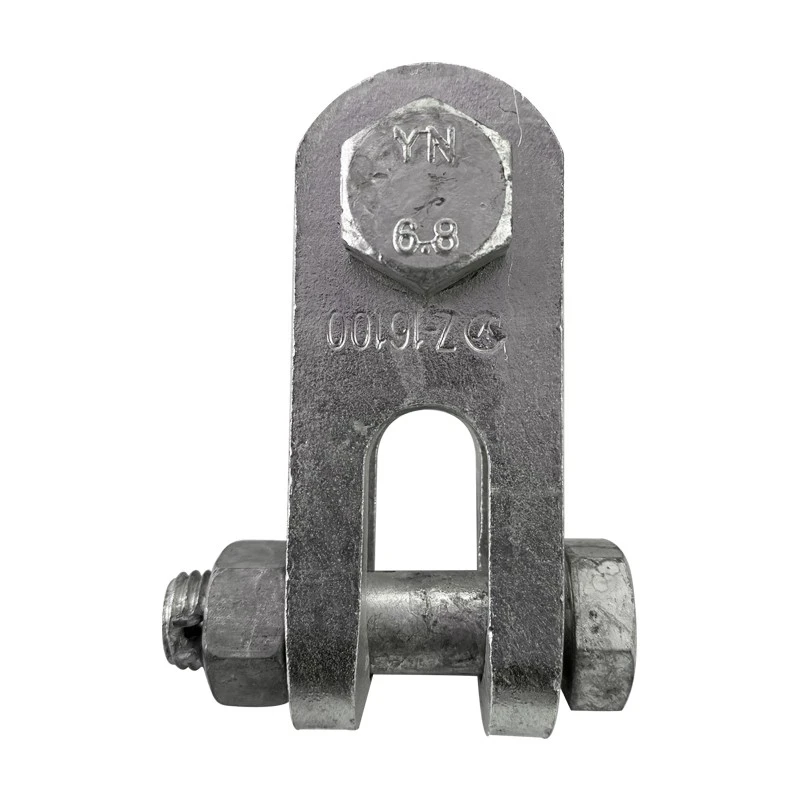
As a clevis supplier, we offer a range of clevises that are suitable for ventilation systems. Some of our popular products include the Z-16100 Clevis, Z-21100 Clevis, and Z Clevis. These clevises are made from high-quality materials and are designed to provide reliable and long-lasting performance in ventilation systems.
The Z-16100 Clevis is a heavy-duty clevis that is suitable for applications where high load capacity is required. It is made from forged steel and has a large pin hole diameter, providing a strong and stable connection. The Z-21100 Clevis is a medium-duty clevis that is ideal for general-purpose applications in ventilation systems. It is made from carbon steel and has a smaller pin hole diameter, making it more suitable for lighter loads. The Z Clevis is a lightweight clevis that is commonly used in applications where space is limited. It is made from aluminum or stainless steel and has a compact design, allowing for easy installation in tight spaces.
Conclusion
In conclusion, clevises can be effectively used in ventilation systems to provide a flexible, adjustable, and reliable connection between components. The benefits of using clevises, such as flexibility, easy installation and maintenance, durability, and cost-effectiveness, make them a popular choice for many ventilation system applications. However, it is important to consider the load capacity, environmental conditions, compatibility, and safety when using clevises in a ventilation system.
If you are interested in using clevises in your ventilation system or have any questions about our products, please feel free to contact us. Our team of experts is ready to assist you in selecting the right clevises for your specific needs and provide you with all the necessary information and support. We look forward to the opportunity to work with you and contribute to the success of your ventilation system project.
References
- "Mechanical Fasteners Handbook", McGraw-Hill Professional
- "Ventilation System Design and Installation Guide", ASHRAE


