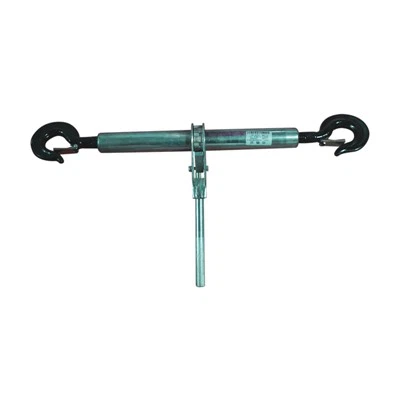
P‑Type hanging plate(double‑plate parallel clevis) adopts dual‑plate clamping configuration, merely equipped with two fixed mounting holes. Representative models cover P‑0770, P‑1080, P‑1290 up to P‑32120. Its core function is fixed‑distance connection. It transfers static tension between insulator string, tri‑joint plate, adjusting links and other fittings, without any length‑adjustment capability. The double‑plate structure shares tension load onto two steel sheets, gaining good anti‑fatigue performance under wind vibration circumstance. Every complete set includes hanging‑plate body, high‑strength bolts, nuts and split pins. Nominal breaking load ranges 70 kN‑320 kN. This fitting is widely used for suspension string and tension‑string connection of 10kV‑110kV overhead lines.
DB‑Type adjuster plates belong to single‑plate multi‑hole adjusting hardware. Catalog numbers are DB‑7,DB‑10,DB‑12 and so forth. Multiple hole positions are arranged along main body. By selecting different hole combinations, installers can change effective assembly length on‑site, compensating accumulated installation error of insulator strings and other fittings. Different from P‑type dual‑plate clamping form, DB adjuster plate is single‑plate structure, matched fitting ear plate inserts into one‑side hole. Rated failure load of DB series covers 70 kN‑840 kN, suitable for transmission line projects requiring fine‑tuning of string length.
PT‑Type adjuster plates are long multi‑hole adjusting plates. Compared with DB series, PT owns more installation holes and larger overall dimension. Model series include PT‑7,PT‑10,PT‑16 to PT‑84S. It provides wider adjusting range for long‑distance combination of multi‑group fittings, frequently applied for large‑span overhead line, heavy‑load tension assembly scenario.
It is critical to stress that these three types cannot substitute for each other. If project design requires length adjustment, adopting only P‑Type hanging plate will cause installation deviation which cannot be offset. If adjuster plates are used where fixed‑distance connection is required, excessive reserved adjusting holes will reduce overall structural rigidity. In cross‑border tender documents, technical engineers sometimes only write "connecting plate" without marking exact catalog No., which is the major root cause of part mixing‑up. Buyers should request suppliers to confirm product catalog number, structure form, key dimension rather than only depending on general descriptive noun.
From international procurement perspective, besides distinguishing product type, purchasers also shall pay attention to interchangeability standard. When existing local‑brand fittings have been deployed on‑site, buyers need to provide counterpart sample or drawing for supplier to verify hole diameter, plate thickness and matching bolt specification. Hot‑dip‑galvanized surface treatment is standard for above three product series. For projects located in high‑corrosion regions, galvanizing thickness requirement must be written clearly within technical specification sheet.
Moreover, test document requirement shall be clarified in advance. For small‑scale distributor orders, factory inspection report usually meets demand. For large‑scale EPC tender projects, clients may require third‑party mechanical destructive test report. Suppliers need enough lead‑time to arrange sampling test. Buyers should not compress inspection cycle blindly in order to pursue fast delivery.
In conclusion, although P‑type hanging plate, DB‑type and PT‑type adjuster plates are all connecting steel fittings, their design positioning and working purposes are totally different. Global power purchasers should read project drawing carefully, confirm catalog model number, clarify technical documents and anti‑corrosion requirement. Correct identification of different link fittings helps avoid ordering mistake, cut overseas project rework risk and guarantee smooth implementation of power infrastructure construction