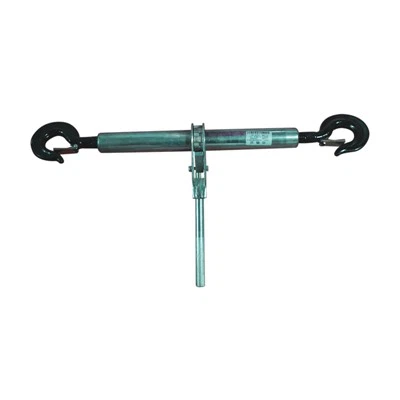
A pH extension ring is a precision-designed ring-shaped adapter assembly specifically designed for pH measurement systems. It is typically installed between the pH electrode and its associated equipment (such as mounting clamps, transmitters, or sensor housings). Unlike ordinary universal connectors, it is optimized for the unique needs of pH measurement scenarios, possessing three core functions and significant technical advantages, making it a key component for ensuring accurate and stable pH monitoring:
Core Functions
Interface Compatibility: It acts as a "converter" for incompatible interfaces.
The core performance characteristics of the pH extension ring are mainly reflected in its adaptability, protection, stability, and practicality, which we will describe in detail below:
Adaptability: Supports multi-thread standard conversion, compatible with mainstream interfaces such as PG13.5, NPT, M16, and G threads. It features high dimensional accuracy, tight thread fit (tolerance ≤ ±0.5mm), and no loosening after connection, ensuring lossless signal transmission. Component upgrades can be achieved without replacing the entire measurement equipment.
Environmental Tolerance: Highly adaptable materials; PTFE can withstand strong acids and alkalis (including hydrofluoric acid) with pH 0–14, while 316L stainless steel is suitable for neutral/mildly corrosive media. Food-grade materials (PTFE/316L) comply with FDA/GMP standards. Standard models can withstand -30°C–130°C, and high-temperature models are suitable for sterilization processes. Some models support ≤0.4MPa high-pressure environments with no leakage risk, suitable for sealed reactors and other applications.
Stability: Excellent sealing performance; integrated O-ring seal (EPDM/PTFE material) prevents leakage of the tested medium and the intrusion of external dust and moisture, protecting the electrode interface from damage. Metal models include grounding to reduce electromagnetic interference from laboratory equipment and industrial frequency converters, maintaining stable electrode impedance (≤250MΩ) and preventing data fluctuations.
Practicality: Optional length (5mm–50mm) allows for precise adjustment of electrode protrusion depth, ensuring the sensitive membrane is fully immersed in the test liquid while avoiding obstructions such as container walls and agitators. Lightweight and easy to assemble and disassemble, with no complicated installation steps, it allows for quick electrode removal for calibration in outdoor/field settings, resulting in high maintenance efficiency. Its smooth surface is easy to clean, and it can withstand high-temperature sterilization in food/pharmaceutical applications.
PH extension rings are common connecting fittings used in the power industry to connect insulators, hardware, and other components. Different models have different specifications and parameters, which we will introduce in detail below:
| model | Dimensions (mm) | Rated breaking load (kN) | Weight (kg) | |
| PH - 7 | C=20,D=16,L=80 | 70 | 0.4 | |
| PH - 10 | C=22,D=18,L=100 | 100 | 0.6 | |
| PH - 12 | C=24,D=20,L=120 | 120 | 0.9 | |
| PH - 16 |
|
160 | 1.5 | |
| PH - 16S | C=26,D=20,L=120 | 160 | 0.8 | |
| PH - 20 |
|
200 | 1.6 | |
| PH - 21 | C=30,D=24,L=160 | 210 | 1.7 | |
| PH - 21S | C=26,D=20,L=130 | 210 | 0.9 | |
| PH - 25 | C=34,D=26,L=160 | 250 | 2.0 | |
| PH - 30 | C=38,D=30,L=180 | 300 | 3.0 | |
| PH - 32S | C=34,D=28,L=140 | 320 | 2.0 | |
| PH - 42S | C=36,D=32,L=160 | 420 | 3.0 |