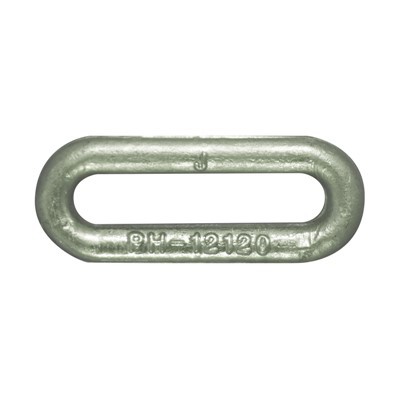

As a seasoned supplier of LF Yoke Plates, I've spent years immersed in the world of these essential components. One question that frequently arises is, "What is the shape of the LF Yoke Plate?" To answer this question comprehensively, we need to delve into the design, function, and various shapes of LF Yoke Plates.
Understanding the Basics of LF Yoke Plates
LF Yoke Plates play a crucial role in many electrical and mechanical systems. They are often used in transformers, relays, and other electromagnetic devices. These plates are designed to provide a path for magnetic flux, which is essential for the proper functioning of the equipment. The shape of the LF Yoke Plate is carefully engineered to optimize its magnetic properties and ensure efficient performance.
Common Shapes of LF Yoke Plates
Rectangular Shape
One of the most common shapes of LF Yoke Plates is rectangular. This shape is simple and easy to manufacture, making it a popular choice for many applications. Rectangular yoke plates are often used in standard transformers and relays where space is not a major constraint. The straight edges and right angles of the rectangular shape allow for easy mounting and integration into the overall system. For example, our LV-1020 Yoke Plate is available in a rectangular shape, which provides a reliable and cost - effective solution for many electrical applications.
U - Shape
The U - shaped LF Yoke Plate is another widely used design. This shape is particularly useful when the magnetic circuit needs to enclose a certain area or component. The two arms of the U - shape can be used to hold other parts of the electromagnetic system, such as coils or cores. The U - shape provides a more concentrated magnetic field in the enclosed area, which can improve the efficiency of the device. Our LV Yoke Plate comes in a U - shape option, which is suitable for applications where a more focused magnetic field is required.


E - Shape
The E - shaped LF Yoke Plate is a more complex design that offers enhanced magnetic performance. The three arms of the E - shape create multiple paths for the magnetic flux, which can reduce magnetic leakage and improve the overall efficiency of the system. E - shaped yoke plates are commonly used in high - performance transformers and other electromagnetic devices where precision and efficiency are critical. Our LS-1212 Yoke Plate is available in an E - shape, which is ideal for demanding electrical applications.
Factors Influencing the Shape Selection
The choice of the shape of the LF Yoke Plate depends on several factors. Firstly, the application requirements play a significant role. For example, if the device needs to be compact, a U - shaped or E - shaped yoke plate might be more suitable as they can provide a more concentrated magnetic field in a smaller space. On the other hand, if the application requires a simple and cost - effective solution, a rectangular yoke plate could be the best choice.
Secondly, the magnetic properties of the material used in the yoke plate also affect the shape selection. Different materials have different magnetic permeability and saturation levels. The shape of the yoke plate needs to be designed to optimize the use of these properties. For instance, some high - permeability materials may require a more complex shape, such as an E - shape, to fully utilize their magnetic capabilities.
Thirdly, the manufacturing process and cost are also important considerations. More complex shapes, such as E - shapes, may require more advanced manufacturing techniques and higher production costs. In some cases, a simpler shape like a rectangular one may be preferred to keep the cost down, especially for large - scale production.
Design and Manufacturing Considerations
When designing and manufacturing LF Yoke Plates, we pay close attention to several key aspects. The material selection is of utmost importance. We use high - quality magnetic materials, such as silicon steel, which has excellent magnetic properties and low core losses. The thickness of the yoke plate is also carefully controlled to ensure optimal magnetic performance. A thicker plate may provide a higher magnetic flux capacity, but it also increases the weight and cost of the device.
The manufacturing process involves precision stamping and cutting to ensure the accurate shape and dimensions of the yoke plate. After stamping, the yoke plates are often annealed to relieve internal stresses and improve their magnetic properties. We also perform strict quality control checks at every stage of the manufacturing process to ensure that each yoke plate meets the highest standards.
Applications of LF Yoke Plates
LF Yoke Plates are used in a wide range of applications. In the power industry, they are an essential component in transformers, which are used to step up or step down the voltage in electrical power systems. The proper shape and design of the yoke plate are crucial for the efficient operation of the transformer, ensuring reliable power transmission.
In the electronics industry, LF Yoke Plates are used in relays, which are used to control electrical circuits. The magnetic field generated by the yoke plate in a relay is used to actuate the switch, allowing for the control of high - power circuits with low - power signals.
They are also used in various industrial automation equipment, such as solenoids and magnetic sensors. The shape of the yoke plate in these applications is designed to provide the necessary magnetic field for the proper functioning of the device.
Conclusion
In conclusion, the shape of the LF Yoke Plate is a critical factor that affects its performance and application. Rectangular, U - shaped, and E - shaped are the most common shapes, each with its own advantages and suitable applications. The choice of shape depends on the application requirements, magnetic properties of the material, manufacturing process, and cost. As a leading supplier of LF Yoke Plates, we are committed to providing high - quality products with the right shape and design to meet the diverse needs of our customers.
If you are interested in our LF Yoke Plates or have any questions about their shape, design, or application, we invite you to contact us for further discussion and potential procurement. We are always ready to offer professional advice and solutions to help you find the best yoke plate for your specific needs.
References
- "Magnetic Materials and Their Applications" by A. E. Clark
- "Electromagnetic Device Design" by Paul C. Enjeti