


What is the origin of PS Clevis?
As a long - standing supplier of PS Clevis, I've often been asked about the origin of this remarkable piece of hardware. In this blog post, I'll take you on a journey through time to explore the roots of the PS Clevis and its evolution over the years.
Early Beginnings of Clevises
Clevises, in general, have a long history that dates back centuries. The basic concept of a clevis - a U - shaped piece of metal with holes at the open ends for a pin - was developed out of a practical need in various industries. In the early days, clevises were used in agriculture, where they were employed to connect different parts of farming equipment. For example, they were used to attach plows to draft animals or to link different sections of a harvester.
The simplicity and effectiveness of the clevis design made it a popular choice. It allowed for a flexible yet secure connection between two components, which was crucial for the proper functioning of machinery. As industries grew and technology advanced, the applications of clevises expanded beyond agriculture. They started to be used in construction, transportation, and manufacturing.
The Emergence of PS Clevis
The PS Clevis, specifically, emerged as a specialized type of clevis to meet the demands of more complex and high - performance applications. The "PS" in PS Clevis might stand for different things depending on the manufacturer, but it often represents a combination of specific design features and performance standards.
In the mid - 20th century, with the growth of the aerospace and automotive industries, there was a need for clevises that could withstand higher loads, operate in more extreme conditions, and provide a more precise connection. The PS Clevis was developed in response to these requirements. Engineers started to experiment with different materials, such as high - strength steels and alloys, to improve the strength - to - weight ratio of the clevis.
The design of the PS Clevis was also refined. It incorporated features like more accurate hole tolerances, which ensured a better fit with the pins used in the connection. This precision was essential in applications where even a small misalignment could lead to significant problems, such as in aircraft control systems or high - speed automotive transmissions.
Technological Advancements and PS Clevis
Over the years, technological advancements have played a significant role in the development of the PS Clevis. Computer - aided design (CAD) and computer - aided manufacturing (CAM) technologies have allowed for more precise and complex designs. Manufacturers can now simulate the performance of the PS Clevis under different loads and conditions before actually producing it. This has led to the optimization of the design, reducing the weight of the clevis without sacrificing its strength.
Materials science has also advanced, leading to the use of new and improved materials in PS Clevis production. For example, titanium alloys have become more common in high - end applications due to their excellent strength, corrosion resistance, and low weight. These materials have allowed the PS Clevis to be used in more challenging environments, such as in marine applications where corrosion is a major concern.
Applications of PS Clevis
Today, the PS Clevis has a wide range of applications. In the aerospace industry, it is used in flight control systems, where it connects various components such as control rods and actuators. The high precision and reliability of the PS Clevis are crucial in ensuring the safe and accurate operation of an aircraft.
In the automotive industry, PS Clevises are used in suspension systems, steering linkages, and engine components. They help to transfer forces between different parts of the vehicle, ensuring smooth and stable operation.
In the industrial machinery sector, PS Clevises are used in conveyor systems, robotic arms, and other equipment. Their ability to provide a flexible yet secure connection makes them ideal for these types of applications.

Our Offerings as a PS Clevis Supplier
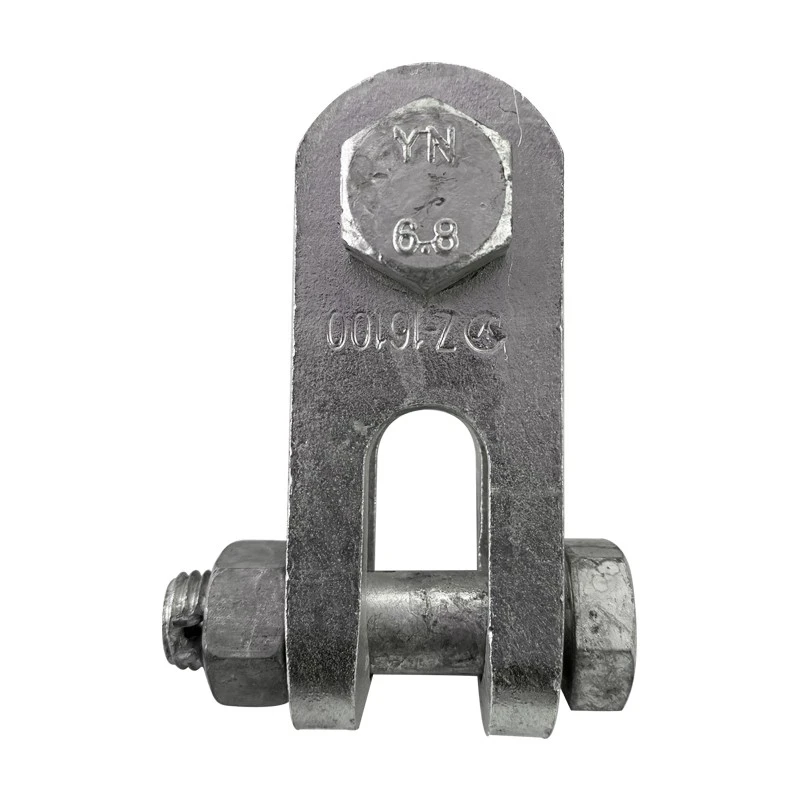
As a supplier of PS Clevis, we take pride in offering high - quality products that meet the strictest industry standards. We have a wide range of PS Clevises available, including the Z - 21100 Clevis, which is designed for heavy - duty applications, and the Z - 16100 Clevis, which is more suitable for medium - load applications. Our PS Clevis products are made from the finest materials and are manufactured using the latest technologies to ensure their performance and reliability.
We understand that each customer has unique requirements, and we are committed to providing customized solutions. Our team of experts can work with you to design and manufacture PS Clevises that meet your specific needs. Whether you need a clevis for a new product development project or for replacing an existing component, we have the expertise and resources to deliver.
Contact Us for Procurement
If you are in the market for high - quality PS Clevises, we invite you to contact us for procurement. Our sales team is ready to assist you with any questions you may have regarding our products, pricing, and delivery options. We are committed to providing excellent customer service and ensuring that you get the best value for your investment.
References
- "Mechanical Design Handbook" by Robert C. Juvinall and Kurt M. Marshek.
- "Aerospace Materials and Processes" by John R. Davis.
- Industry reports on clevis manufacturing and applications.


