


Connecting a PD Clevis with other components is a crucial process in various industrial applications. As a PD Clevis supplier, I have extensive experience in this area and would like to share some valuable insights on how to achieve a proper connection.
Understanding the PD Clevis
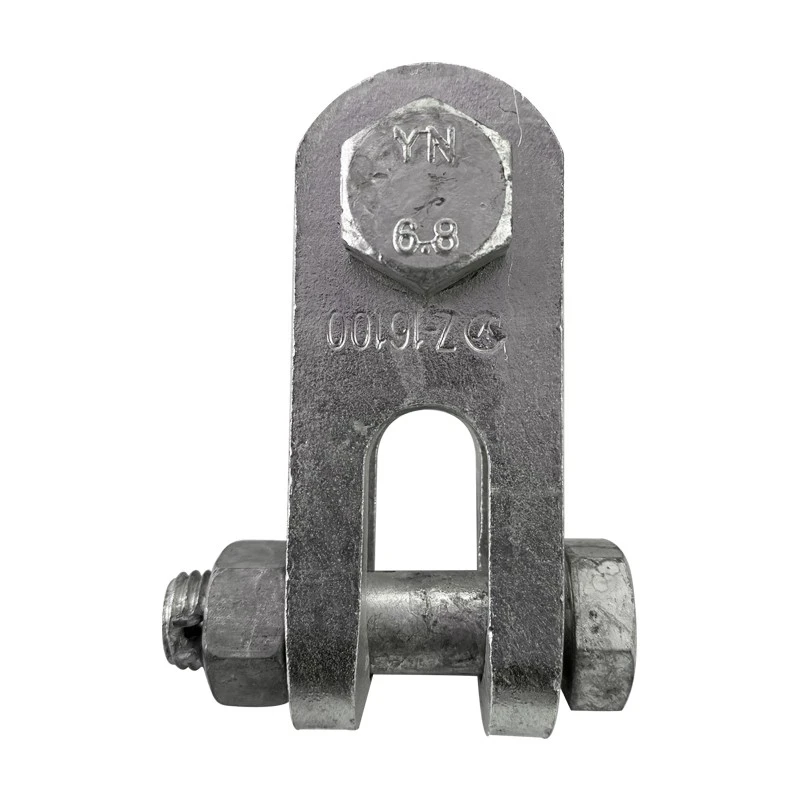
Before delving into the connection process, it's essential to understand what a PD Clevis is. A PD Clevis is a type of mechanical fastener that is commonly used to connect two components together. It typically consists of a U-shaped body with holes at the ends for inserting pins or bolts. The design of the PD Clevis allows for easy attachment and detachment, making it a popular choice in many industries.

Selecting the Right Components
The first step in connecting a PD Clevis with other components is to select the appropriate components. This involves considering factors such as the size, shape, and material of the components, as well as the intended application. For example, if you are connecting a PD Clevis to a Right Angle Hung Plate, you need to ensure that the dimensions of the clevis and the plate are compatible. Additionally, the material of the components should be able to withstand the load and environmental conditions of the application.
Preparing the Components
Once you have selected the right components, the next step is to prepare them for connection. This may involve cleaning the surfaces of the components to remove any dirt, debris, or rust. You may also need to drill holes or tap threads in the components to accommodate the pins or bolts used for connection. It's important to follow the manufacturer's instructions and specifications when preparing the components to ensure a proper fit and connection.
Connecting the PD Clevis
There are several methods for connecting a PD Clevis with other components, depending on the type of components and the application. Here are some common methods:
Pin Connection
One of the most common methods of connecting a PD Clevis is by using a pin. To connect the clevis using a pin, you first insert the pin through the holes in the clevis and the component you are connecting it to. Make sure the pin fits snugly in the holes to prevent any movement or play. You may need to use a cotter pin or a retaining ring to secure the pin in place.
Bolt Connection
Another method of connecting a PD Clevis is by using a bolt. To connect the clevis using a bolt, you first drill holes in the clevis and the component and then insert the bolt through the holes. You then tighten the nut on the bolt to secure the connection. It's important to use the correct torque when tightening the bolt to ensure a proper and secure connection.
Welding
In some cases, welding may be used to connect a PD Clevis with other components. Welding provides a strong and permanent connection, but it requires specialized equipment and skills. If you choose to weld the clevis, make sure you follow the proper welding procedures and safety guidelines.
Testing the Connection
After connecting the PD Clevis with other components, it's important to test the connection to ensure its integrity. You can do this by applying a load to the connection and checking for any signs of movement, stress, or failure. If you notice any issues, you may need to adjust the connection or replace the components.
Maintenance and Inspection
Once the PD Clevis is connected to other components, it's important to perform regular maintenance and inspection to ensure its continued performance. This may involve checking the pins or bolts for tightness, inspecting the components for wear or damage, and lubricating the connection points as needed. Regular maintenance and inspection can help prevent failures and extend the lifespan of the connection.
Considerations for Different Applications
The process of connecting a PD Clevis may vary depending on the specific application. For example, in a high - load application, you may need to use a stronger type of PD Clevis, such as the Z - 16100 Clevis, which is designed to withstand greater forces. In a corrosive environment, you may need to choose a PD Clevis and other components made of corrosion - resistant materials, like stainless steel.
If you are working in a precision - oriented application, such as in the aerospace or medical industries, you need to pay extra attention to the alignment and tolerance of the connection. Any misalignment can lead to reduced performance or even failure of the entire system.
Troubleshooting
If you encounter problems during the connection process or after the connection is made, here are some common issues and solutions:
Loose Connection
If the connection is loose, it could be due to improper tightening of the pins or bolts. Check the torque and re - tighten the fasteners as needed. You may also need to check if the holes in the components are worn or if the pins or bolts are damaged.
Misalignment
Misalignment can cause uneven stress on the connection and lead to premature failure. If you notice misalignment, you may need to adjust the position of the components or use shims to correct the alignment.
Corrosion
Corrosion can weaken the connection over time. If you notice signs of corrosion, you may need to clean the components and apply a protective coating to prevent further corrosion.
Conclusion
Connecting a PD Clevis with other components requires careful planning, proper selection of components, and following the correct procedures. By understanding the different methods of connection, preparing the components correctly, and performing regular maintenance and inspection, you can ensure a reliable and long - lasting connection.
As a PD Clevis supplier, we offer a wide range of high - quality PD Clevises, including the PS Clevis, to meet your specific needs. If you are interested in purchasing PD Clevises or have any questions about connecting them with other components, please feel free to contact us for further discussion and procurement. We are committed to providing you with the best products and services to help you achieve your goals.
References
- Machinery's Handbook, 31st Edition
- Manufacturer's manuals for PD Clevises and related components
- Industry standards for mechanical connections


