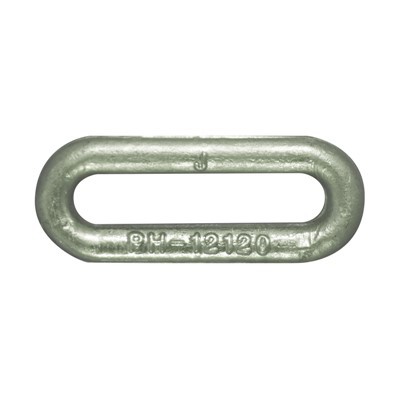

In the realm of industrial hardware and machinery components, clevises play a crucial role. As a supplier of PD Clevises, I often encounter inquiries regarding international standards for these essential parts. This blog post aims to delve into the topic and provide a comprehensive overview of whether there are indeed international standards for PD Clevises.
Understanding PD Clevises
Before we explore the international standards, it's important to have a clear understanding of what PD Clevises are. PD Clevises are a type of mechanical fastener or connector. They typically consist of a U - shaped piece with holes at the ends of the U for a pin to pass through, allowing for a pivoting connection. These clevises are widely used in various industries, including automotive, aerospace, construction, and manufacturing. They are essential for applications where a flexible yet secure connection is required, such as in linkages, control systems, and suspension systems.
The Need for International Standards
International standards serve several important purposes in the industrial world. Firstly, they ensure the quality and safety of products. By adhering to a set of established standards, manufacturers can guarantee that their PD Clevises meet certain performance criteria, which is crucial for the proper functioning of the machinery or equipment in which they are used. Secondly, standards facilitate international trade. When there are common standards, it becomes easier for suppliers and buyers from different countries to do business, as they have a shared understanding of the product's specifications. Thirdly, standards promote innovation. They provide a baseline for manufacturers to improve upon, leading to the development of better - performing and more reliable PD Clevises.
Existing International Standards for Clevises
When it comes to clevises in general, there are some international standards. For example, the ISO (International Organization for Standardization) has developed standards related to fasteners, which can include certain aspects of clevis design and performance. ISO standards cover areas such as dimensions, mechanical properties, and surface finish. However, when it comes specifically to PD Clevises, the situation is a bit more complex.
There isn't a single, all - encompassing international standard that is dedicated solely to PD Clevises. This is partly because the term "PD Clevis" might be a proprietary or industry - specific term. Different manufacturers may use the "PD" designation to refer to clevises with specific features or applications that are unique to their product lines.
Some industries may have their own internal standards or guidelines for PD Clevises. In the aerospace industry, for instance, clevises used in aircraft components must meet strict safety and performance requirements. These requirements are often defined by regulatory bodies such as the Federal Aviation Administration (FAA) in the United States or the European Union Aviation Safety Agency (EASA). These standards cover aspects like material selection, fatigue resistance, and load - bearing capacity.


Challenges in Establishing International Standards for PD Clevises
One of the main challenges in establishing international standards for PD Clevises is the diversity of applications. PD Clevises can be used in a wide range of industries and in various operating conditions. For example, a PD Clevis used in a high - temperature, high - pressure environment in a chemical plant will have different requirements compared to one used in a low - stress, low - temperature application in a consumer product. This makes it difficult to define a single set of standards that can cover all possible uses.
Another challenge is the rapid pace of technological innovation. As new materials and manufacturing processes are developed, the performance characteristics of PD Clevises can change significantly. For example, the use of advanced composite materials in clevis manufacturing can offer advantages such as reduced weight and increased corrosion resistance. However, existing standards may not adequately address these new materials and their associated properties.
Our Approach as a PD Clevis Supplier
As a supplier of PD Clevises, we understand the importance of quality and compliance. Even though there may not be a specific international standard for PD Clevises, we adhere to the highest industry - recognized standards. We use high - quality materials, such as stainless steel and alloy steel, which are known for their strength and durability. Our manufacturing processes are carefully controlled to ensure consistent product quality.
We also offer a range of PD Clevis products to meet different customer needs. For example, our PD - 1080 Clevis is designed for heavy - duty applications, with a high load - bearing capacity. We can also customize PD Clevises according to specific customer requirements, taking into account factors such as size, shape, and material.
Comparison with Other Types of Clevises
It's also worth comparing PD Clevises with other types of clevises, such as PS Clevis. While both are types of clevises, they may have different design features and applications. PS Clevises may be more suitable for certain types of linkages or connections where the load distribution and movement requirements are different from those of PD Clevises. Understanding these differences is important for customers when selecting the right clevis for their specific application.
The Future of International Standards for PD Clevises
Looking ahead, there is a growing need for more comprehensive international standards for PD Clevises. As the global market for industrial components continues to expand, the lack of clear standards can create barriers to trade and innovation. Industry associations and standard - setting bodies may need to work together to develop standards that are specific to PD Clevises. This could involve conducting research on the performance requirements of PD Clevises in different applications, and establishing guidelines for material selection, design, and testing.
Conclusion and Call to Action
In conclusion, while there are some general international standards related to fasteners that can apply to clevises, there isn't a dedicated international standard for PD Clevises at present. However, as a supplier, we are committed to providing high - quality PD Clevises that meet or exceed industry - recognized standards.
If you are in the market for PD Clevises, whether for a small - scale project or a large - scale industrial application, we invite you to contact us for a detailed discussion. Our team of experts can help you select the right PD Clevis for your needs and provide you with all the necessary technical information. We look forward to the opportunity to work with you and contribute to the success of your projects.
References
- ISO standards on fasteners.
- FAA and EASA regulations related to aerospace components.
- Industry - specific literature on clevis applications in automotive, construction, and manufacturing.