


What is the installation torque for an adjusting clevis ring?
As a supplier of adjusting clevis rings, I often receive inquiries from customers about the installation torque for these components. Understanding the correct installation torque is crucial for ensuring the proper functioning and safety of the adjusting clevis ring in various applications. In this blog post, I will delve into the concept of installation torque, factors that influence it, and how to determine the appropriate torque for an adjusting clevis ring.
Understanding Installation Torque
Installation torque refers to the amount of rotational force applied to a fastener, such as a bolt or nut, during the installation process. In the context of an adjusting clevis ring, the installation torque is used to secure the ring to its mating components, such as rods or shafts. Applying the correct torque is essential because it ensures that the clevis ring is firmly attached, preventing it from loosening under normal operating conditions. If the torque is too low, the clevis ring may come loose, leading to potential safety hazards and equipment failure. On the other hand, if the torque is too high, it can cause damage to the clevis ring or the mating components, such as stripping the threads or cracking the material.
Factors Influencing Installation Torque
Several factors can influence the installation torque required for an adjusting clevis ring. These factors include:
- Material and Size of the Clevis Ring: Different materials have different mechanical properties, such as hardness and strength, which can affect the torque required for installation. Additionally, the size of the clevis ring, including the diameter of the bolt or nut used for fastening, also plays a role in determining the appropriate torque. Larger clevis rings typically require higher torque values to ensure a secure fit.
- Surface Finish and Coating: The surface finish of the clevis ring and the mating components can affect the friction between them. A smooth surface finish may require less torque compared to a rough surface. Similarly, the presence of a coating, such as zinc plating or an anti - seize compound, can also influence the friction and, therefore, the installation torque.
- Application and Operating Conditions: The environment in which the adjusting clevis ring will be used is an important consideration. For example, if the application involves high vibrations, high temperatures, or corrosive substances, a higher installation torque may be required to prevent loosening. In contrast, in a low - stress and stable environment, a lower torque value may be sufficient.
Determining the Appropriate Installation Torque
To determine the appropriate installation torque for an adjusting clevis ring, it is recommended to refer to the manufacturer's specifications. As a supplier, we provide detailed technical documentation for our DT Adjusting Clevis Ring, which includes the recommended installation torque values based on the size and material of the clevis ring.
In addition to the manufacturer's specifications, there are also some general guidelines and standards that can be used as a reference. For example, the American Society of Mechanical Engineers (ASME) provides standards for bolt torque values in various applications. These standards take into account factors such as the material of the fastener, the diameter of the bolt, and the type of joint.

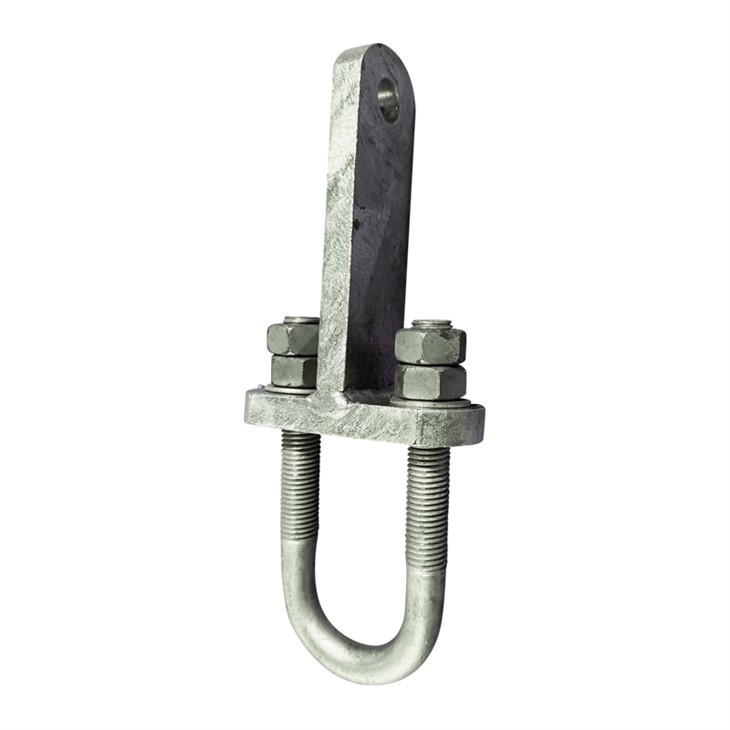
When determining the installation torque, it is important to use the correct tools. A torque wrench is the most accurate tool for applying the specified torque. A torque wrench allows you to set the desired torque value and will provide an audible or visual signal when the set torque is reached. This helps to ensure that the torque is applied consistently and accurately.
Installation Process
Once the appropriate installation torque has been determined, the following steps can be followed for installing an adjusting clevis ring:
- Prepare the Components: Ensure that the clevis ring, the mating components, and the fasteners are clean and free from any debris or contaminants. This helps to ensure a proper fit and reduces the risk of damage during installation.
- Position the Clevis Ring: Place the adjusting clevis ring in the correct position on the mating components. Make sure that the holes in the clevis ring align with the holes in the mating parts.
- Insert the Fasteners: Insert the bolts or nuts through the holes in the clevis ring and the mating components. Hand - tighten the fasteners to ensure that they are properly seated.
- Apply the Torque: Use a torque wrench to apply the specified installation torque to the fasteners. Start with a low torque value and gradually increase it until the desired torque is reached. It is important to apply the torque evenly to all the fasteners to ensure a balanced and secure fit.
Importance of Correct Installation Torque
Applying the correct installation torque is of utmost importance for the performance and safety of the adjusting clevis ring. A properly installed clevis ring ensures that the connection between the components is stable and reliable. This is especially important in applications where the clevis ring is used to transmit forces or support loads.
In addition to safety, correct installation torque also helps to extend the service life of the adjusting clevis ring. By preventing loosening and excessive stress on the components, the risk of premature wear and failure is reduced. This can result in lower maintenance costs and increased productivity for the end - user.
Conclusion
In conclusion, the installation torque for an adjusting clevis ring is a critical factor that should not be overlooked. As a supplier, we are committed to providing our customers with high - quality adjusting clevis rings and the necessary technical support to ensure proper installation. By understanding the factors that influence installation torque, referring to the manufacturer's specifications, and using the correct tools and installation procedures, you can ensure that your adjusting clevis ring performs optimally and safely.
If you are interested in purchasing our adjusting clevis rings or have any questions about installation torque or other technical aspects, please feel free to contact us for further discussion and procurement negotiation. We look forward to serving you and meeting your specific requirements.
References
- American Society of Mechanical Engineers (ASME). Standards for bolt torque values.
- Manufacturer's technical documentation for adjusting clevis rings.


