


As a supplier of adjusting clevis rings, I've witnessed firsthand the growing concern about the environmental impact of industrial products. Adjusting clevis rings are widely used in various industries, from construction to machinery manufacturing. They play a crucial role in connecting and adjusting components, but what about their environmental footprint? In this blog, I'll delve into the environmental impact of using adjusting clevis rings and explore ways we can mitigate any potential negative effects.
Material Sourcing and Extraction
The environmental journey of an adjusting clevis ring begins with the sourcing of raw materials. Most adjusting clevis rings are made from metals such as steel, stainless steel, or aluminum. The extraction of these metals from the earth has significant environmental implications.
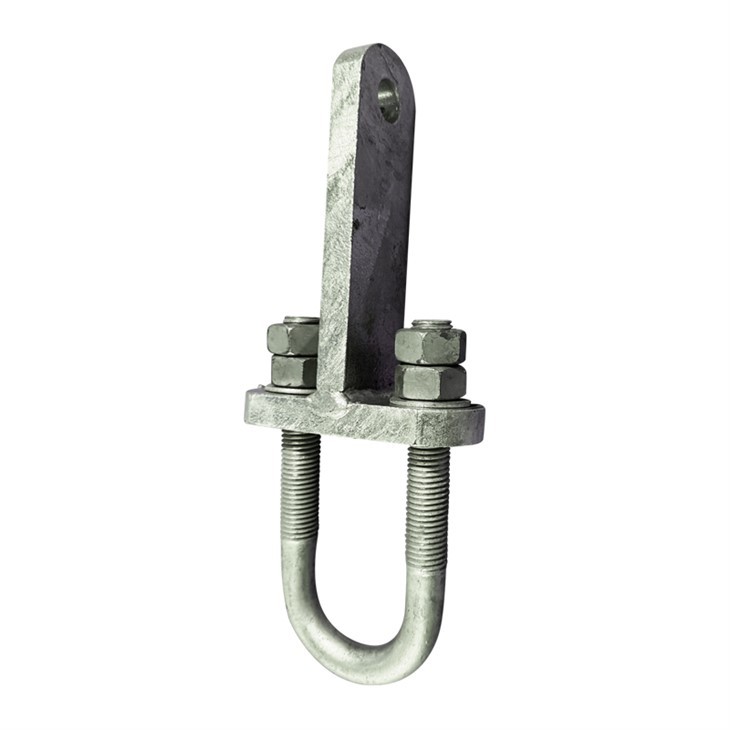

Mining operations, which are responsible for extracting iron ore (used to make steel), bauxite (for aluminum), and other minerals, can lead to deforestation, soil erosion, and habitat destruction. These activities often require large amounts of water and energy, contributing to water scarcity and greenhouse gas emissions. For example, the production of one ton of steel can generate up to 2.5 tons of carbon dioxide emissions (World Steel Association, 2019).
However, as a responsible supplier, we are committed to sourcing materials from mines and suppliers that adhere to strict environmental and social standards. By choosing suppliers with sustainable mining practices, we can reduce the environmental impact associated with raw material extraction. Additionally, using recycled metals can significantly lower the energy consumption and emissions compared to using virgin materials. For instance, recycling aluminum requires only 5% of the energy needed to produce new aluminum from bauxite (Aluminum Association, 2020).
Manufacturing Processes
The manufacturing of adjusting clevis rings involves several processes, including forging, machining, and surface treatment. These processes consume energy and can generate waste and pollutants.
Forging, which is used to shape the metal into the desired form, is an energy-intensive process. High temperatures are required to heat the metal, and large amounts of electricity or fuel are used to power the forging equipment. Machining operations, such as turning, milling, and drilling, also consume energy and can produce metal chips and other waste materials. Surface treatment processes, such as plating or coating, can involve the use of chemicals that may be harmful to the environment if not properly managed.
To minimize the environmental impact of our manufacturing processes, we have invested in energy-efficient equipment and technologies. For example, we use induction heating systems in our forging operations, which are more energy-efficient than traditional heating methods. We also implement waste management programs to recycle metal chips and other waste materials generated during machining. Additionally, we ensure that our surface treatment processes comply with environmental regulations and use environmentally friendly chemicals whenever possible.
Product Use and Durability
The environmental impact of adjusting clevis rings extends beyond their production. During their use, these rings can contribute to energy consumption and waste generation.
In some applications, adjusting clevis rings are used in machinery or equipment that consumes a significant amount of energy. For example, in a construction crane, the adjusting clevis rings are part of the lifting mechanism, which requires energy to operate. By improving the efficiency of the machinery or equipment in which the adjusting clevis rings are used, we can indirectly reduce energy consumption and environmental impact.
Another important factor is the durability of the adjusting clevis rings. A more durable product will last longer, reducing the need for frequent replacements and minimizing waste generation. As a supplier, we focus on producing high-quality adjusting clevis rings that are designed to withstand harsh operating conditions. By using advanced materials and manufacturing techniques, we can ensure that our products have a long service life, thereby reducing their environmental impact.
End-of-Life Management
At the end of their useful life, adjusting clevis rings need to be properly disposed of or recycled. If not managed correctly, they can end up in landfills, where they take up space and may release harmful substances into the environment.
Recycling is the most environmentally friendly option for end-of-life management of adjusting clevis rings. As mentioned earlier, metals can be recycled and reused to produce new products. By encouraging our customers to recycle their used adjusting clevis rings, we can contribute to a circular economy and reduce the demand for virgin materials.
We also offer take-back programs for our products, where customers can return their used adjusting clevis rings to us. We then recycle these products and ensure that they are properly processed to minimize environmental impact.
Mitigating the Environmental Impact
As a supplier of adjusting clevis rings, we are aware of our responsibility to minimize the environmental impact of our products. Here are some of the steps we are taking:
- Sustainable Sourcing: We source materials from suppliers that follow sustainable mining practices and use recycled metals whenever possible.
- Energy Efficiency: We invest in energy-efficient equipment and technologies in our manufacturing processes to reduce energy consumption and greenhouse gas emissions.
- Waste Management: We implement waste management programs to recycle metal chips and other waste materials generated during manufacturing.
- Product Durability: We focus on producing high-quality, durable adjusting clevis rings to extend their service life and reduce the need for frequent replacements.
- End-of-Life Management: We encourage our customers to recycle their used adjusting clevis rings and offer take-back programs to ensure proper disposal and recycling.
The Role of Customers
Customers also play a crucial role in reducing the environmental impact of adjusting clevis rings. By choosing products from suppliers that prioritize sustainability, customers can support environmentally responsible manufacturing practices. Additionally, customers can take steps to improve the efficiency of the machinery or equipment in which the adjusting clevis rings are used and ensure proper end-of-life management of the products.
Contact Us for Sustainable Adjusting Clevis Rings
If you are in the market for adjusting clevis rings and are concerned about the environmental impact, look no further. We are a leading supplier of high-quality DT Adjusting Clevis Ring that are designed with sustainability in mind. Our products are made from sustainable materials, manufactured using energy-efficient processes, and are built to last.
Contact us today to learn more about our adjusting clevis rings and how we can help you meet your needs while minimizing your environmental footprint. We are ready to engage in procurement discussions and provide you with the best solutions for your business.
References
- Aluminum Association. (2020). The Environmental Benefits of Aluminum Recycling. Retrieved from [Website]
- World Steel Association. (2019). Steel: The Green Material. Retrieved from [Website]


