


What are the requirements for adjusting clevis rings in printing machinery?
As a supplier of adjusting clevis rings, I've had the privilege of working closely with the printing machinery industry. Adjusting clevis rings play a crucial role in the smooth operation of printing machinery, and understanding the requirements for their adjustment is essential for ensuring optimal performance.
1. Precision and Accuracy
In printing machinery, precision is of the utmost importance. Adjusting clevis rings need to be set with high precision to ensure that the various components of the printing press are properly aligned. Even a slight misalignment can lead to issues such as uneven printing, registration errors, and reduced print quality.
For example, in a multi - color printing press, the adjusting clevis rings are used to align the printing cylinders. If the alignment is off by even a fraction of a millimeter, the colors may not be properly overlaid, resulting in a blurred or inaccurate print. Therefore, the adjustment of clevis rings should be carried out with the help of precision measuring tools such as calipers, micrometers, or laser alignment systems. These tools can help to ensure that the adjustment is within the specified tolerance range, which is typically very small in high - quality printing machinery.
2. Durability and Resistance
Printing machinery operates under demanding conditions, including high - speed operation, constant vibration, and exposure to ink, solvents, and other chemicals. Adjusting clevis rings need to be made of materials that can withstand these harsh conditions.
Stainless steel is a popular choice for adjusting clevis rings in printing machinery due to its excellent corrosion resistance. It can resist the corrosive effects of ink and solvents, ensuring a long service life. Additionally, the material should have high strength to withstand the mechanical stresses generated during operation. For instance, the clevis rings need to be able to handle the tension and compression forces that occur when the printing cylinders are in motion.
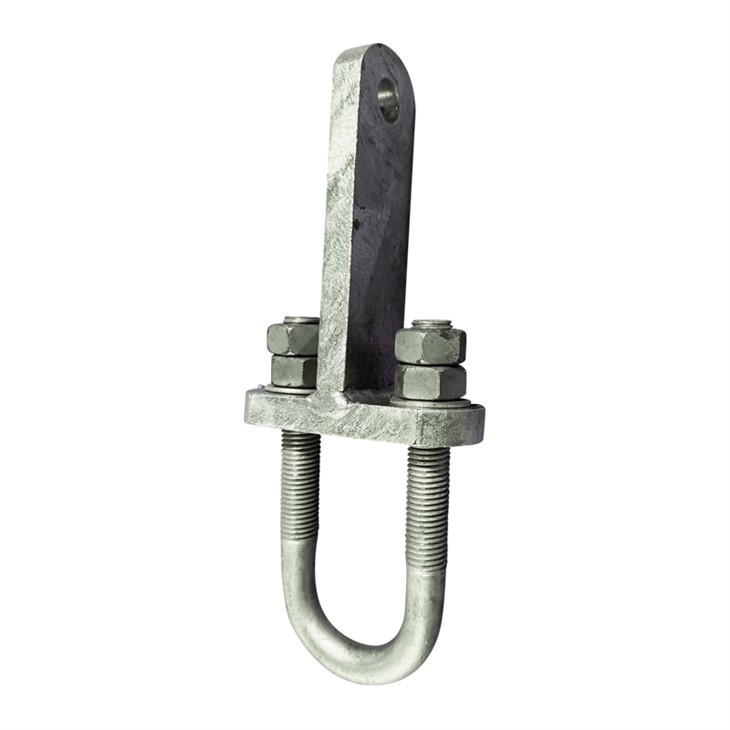
At our company, we offer the DT Adjusting Clevis Ring, which is made of high - quality stainless steel. This ring is designed to provide long - term durability and reliable performance in printing machinery.
3. Ease of Adjustment
In a busy printing environment, time is of the essence. Adjusting clevis rings should be easy to adjust to minimize downtime. The design of the clevis ring should allow for quick and simple adjustments without the need for complex tools or extensive training.
Some adjusting clevis rings feature a threaded design, which allows for fine - tuning adjustments. A simple turn of a nut or bolt can change the position of the clevis ring, making it easy to align the components. Additionally, the adjustment mechanism should be accessible, so that operators can reach it without having to disassemble large parts of the printing machinery.

4. Compatibility
Adjusting clevis rings need to be compatible with the specific printing machinery in which they are used. Different printing presses have different requirements in terms of size, shape, and mounting options.
The size of the clevis ring should match the dimensions of the components it is connecting. For example, if it is used to connect a printing cylinder to a drive shaft, the inner diameter of the clevis ring should fit snugly around the shaft, and the outer dimensions should be compatible with the cylinder's mounting point.
The mounting method is also important. Some clevis rings are designed to be bolted on, while others may use a clamping mechanism. It is crucial to choose a clevis ring that can be easily installed and integrated into the existing printing machinery.
5. Safety Considerations
Safety is a top priority in any industrial setting, including printing. Adjusting clevis rings should be designed and installed in a way that ensures the safety of operators.
The clevis ring should have no sharp edges or protrusions that could cause injury. Additionally, it should be securely fastened to prevent it from coming loose during operation. Loose clevis rings can pose a serious safety hazard, as they may cause parts of the printing machinery to malfunction or even break off.
Regular maintenance and inspection of the adjusting clevis rings are also necessary to ensure their safe operation. Operators should check for signs of wear, corrosion, or damage on a regular basis and replace the clevis rings as needed.
6. Noise and Vibration Reduction
Printing machinery can generate a significant amount of noise and vibration during operation. Adjusting clevis rings can play a role in reducing these issues.
A well - adjusted clevis ring can help to balance the forces acting on the components, reducing vibration. This not only improves the performance of the printing machinery but also reduces noise levels. For example, if the clevis ring is used to connect a vibrating component to a stable structure, proper adjustment can dampen the vibrations and prevent them from being transmitted throughout the machine.
7. Cost - Effectiveness
In addition to the technical requirements, cost - effectiveness is also an important consideration. Printing companies need to balance the quality and performance of the adjusting clevis rings with their budget.
Our DT Adjusting Clevis Ring offers a cost - effective solution. It provides high - quality performance at a reasonable price, making it an attractive option for printing machinery manufacturers and operators. By choosing a cost - effective clevis ring, printing companies can reduce their overall operating costs without sacrificing quality.
If you are in the printing machinery industry and are looking for high - quality adjusting clevis rings that meet all these requirements, we invite you to contact us for a procurement discussion. We have a team of experts who can help you select the right clevis rings for your specific needs and provide you with professional advice and support.
References
- “Handbook of Printing Machinery Design and Operation”
- Industry standards and guidelines for printing machinery components
In conclusion, the requirements for adjusting clevis rings in printing machinery are diverse and complex. By considering precision, durability, ease of adjustment, compatibility, safety, noise and vibration reduction, and cost - effectiveness, printing companies can ensure that they choose the right clevis rings for their machinery, leading to improved performance and productivity.


