


When embarking on a project that requires the use of an adjusting clevis ring, making the right choice is crucial. As a supplier of adjusting clevis rings, I understand the challenges and considerations that come with this decision. In this blog, I'll share some insights to help you select the most suitable adjusting clevis ring for your project.
Understanding the Basics of Adjusting Clevis Rings
An adjusting clevis ring is a mechanical component commonly used in various industries, such as automotive, aerospace, and machinery. It consists of a clevis, which is a U - shaped bracket, and a ring that can be adjusted to change the length or tension of a connection. This adjustability makes it a versatile and valuable part in many applications.

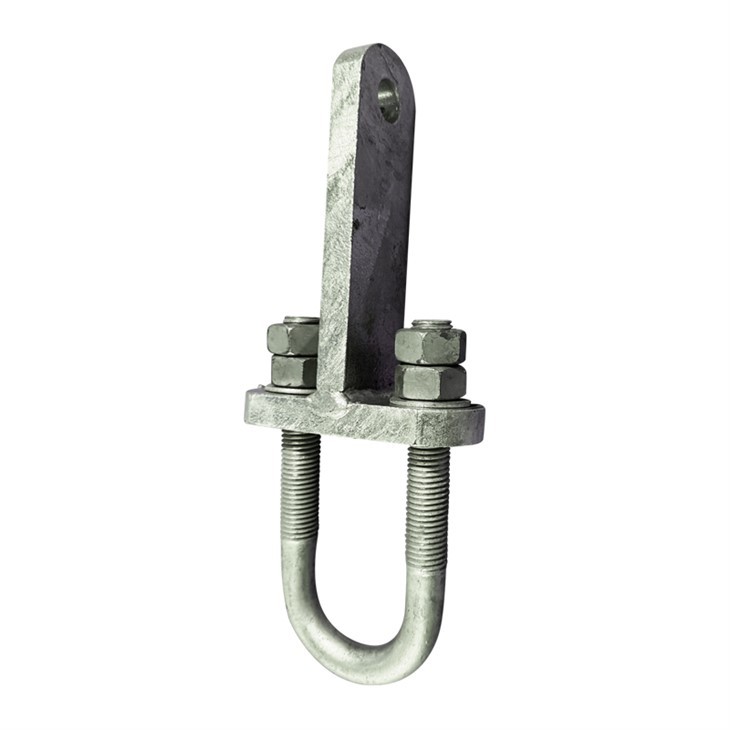
The main function of an adjusting clevis ring is to provide a flexible connection between two parts. It allows for easy adjustment of the distance or angle between components, which is essential for proper alignment and operation. For example, in a suspension system of a vehicle, an adjusting clevis ring can be used to fine - tune the ride height and handling characteristics.
Factors to Consider When Choosing an Adjusting Clevis Ring
1. Load Capacity
One of the most important factors to consider is the load capacity of the adjusting clevis ring. This refers to the maximum amount of force that the ring can withstand without failing. You need to determine the load requirements of your project accurately. If the load capacity of the chosen clevis ring is too low, it may break under stress, leading to equipment failure and potential safety hazards.
To calculate the load capacity, you should consider both static and dynamic loads. Static loads are the forces that remain constant, while dynamic loads are those that change over time, such as vibrations or impacts. Refer to engineering manuals or consult with a professional engineer to determine the appropriate load capacity for your specific application.
2. Material
The material of the adjusting clevis ring plays a significant role in its performance and durability. Common materials used for clevis rings include steel, stainless steel, and aluminum.
- Steel: Steel is a popular choice due to its high strength and relatively low cost. It is suitable for applications where high load - bearing capacity is required. However, steel is prone to rust if not properly coated or treated.
- Stainless Steel: Stainless steel offers excellent corrosion resistance, making it ideal for applications in harsh environments, such as marine or chemical industries. It also has good strength, but it is generally more expensive than steel.
- Aluminum: Aluminum is lightweight and has good corrosion resistance. It is often used in applications where weight reduction is a priority, such as in aerospace or automotive industries. However, aluminum has a lower strength compared to steel and stainless steel.
3. Size and Dimensions
The size and dimensions of the adjusting clevis ring must be compatible with your project. You need to consider the diameter of the ring, the width of the clevis, and the length of the shank. These dimensions will determine how well the clevis ring fits into your existing system and how effectively it can perform its function.
Measure the available space in your project and ensure that the clevis ring can be installed without any interference. Also, check the thread size if the clevis ring has a threaded connection. Using the wrong thread size can lead to a loose or insecure connection.
4. Adjustment Range
The adjustment range of the clevis ring is another important factor. It refers to the amount of change in length or tension that the ring can provide. Depending on your project, you may need a clevis ring with a wide adjustment range or a more precise and limited range.
For example, in a project where the alignment needs to be fine - tuned, a clevis ring with a small but precise adjustment range may be more suitable. On the other hand, if you need to make significant changes in the length of a connection, a clevis ring with a wider adjustment range is required.
5. Application Environment
The environment in which the adjusting clevis ring will be used also affects your choice. Consider factors such as temperature, humidity, and exposure to chemicals or other corrosive substances.
In high - temperature environments, the material of the clevis ring should be able to withstand the heat without losing its strength or shape. For applications in humid or wet conditions, corrosion - resistant materials like stainless steel or coated steel are recommended.
DT Adjusting Clevis Ring: A Great Option
If you're looking for a high - quality adjusting clevis ring, the DT Adjusting Clevis Ring is worth considering. This product is designed with precision and durability in mind.
It offers a wide range of load capacities to meet different project requirements. Whether you're working on a small - scale machinery project or a large - scale industrial application, there is a DT Adjusting Clevis Ring that can handle the load.
The DT Adjusting Clevis Ring is available in various materials, including steel and stainless steel. This allows you to choose the material that best suits your application environment. The steel version provides high strength, while the stainless - steel version offers excellent corrosion resistance.
In terms of size and dimensions, the DT Adjusting Clevis Ring comes in a variety of options. You can easily find the right size to fit your project. It also has a reasonable adjustment range, which enables you to make the necessary changes in length or tension.
How to Make the Final Decision
After considering all the factors mentioned above, it's time to make the final decision. Here are some steps to help you:
- List Your Requirements: Make a list of all the requirements for your project, including load capacity, material, size, adjustment range, and application environment.
- Research and Compare: Research different adjusting clevis rings available in the market. Compare their features, prices, and customer reviews. The DT Adjusting Clevis Ring is a great option to start with, but also look at other competitors.
- Consult with Experts: If you're still unsure, consult with an engineer or an industry expert. They can provide valuable advice based on their experience and knowledge.
- Test and Evaluate: If possible, test the clevis ring in a similar environment to your project. This will help you evaluate its performance and determine if it meets your requirements.
Conclusion
Choosing the right adjusting clevis ring for your project is not an easy task, but by considering the factors such as load capacity, material, size, adjustment range, and application environment, you can make an informed decision. The DT Adjusting Clevis Ring is a reliable option that offers a combination of quality, performance, and versatility.
If you're interested in purchasing adjusting clevis rings for your project, we're here to assist you. Our team of experts can help you select the most suitable product based on your specific needs. Feel free to reach out to us for more information and to start a procurement discussion.
References
- Machinery's Handbook, 31st Edition
- Engineering Materials and Their Applications, 6th Edition
- Automotive Suspension and Steering Systems, 6th Edition


