


As a supplier of adjusting clevis rings, I've often been asked about the suitability of these components in marine applications. The marine environment is a harsh one, characterized by saltwater corrosion, high humidity, and extreme weather conditions. Therefore, it's crucial to evaluate whether adjusting clevis rings can withstand these challenges and perform effectively in marine settings.
Understanding Adjusting Clevis Rings
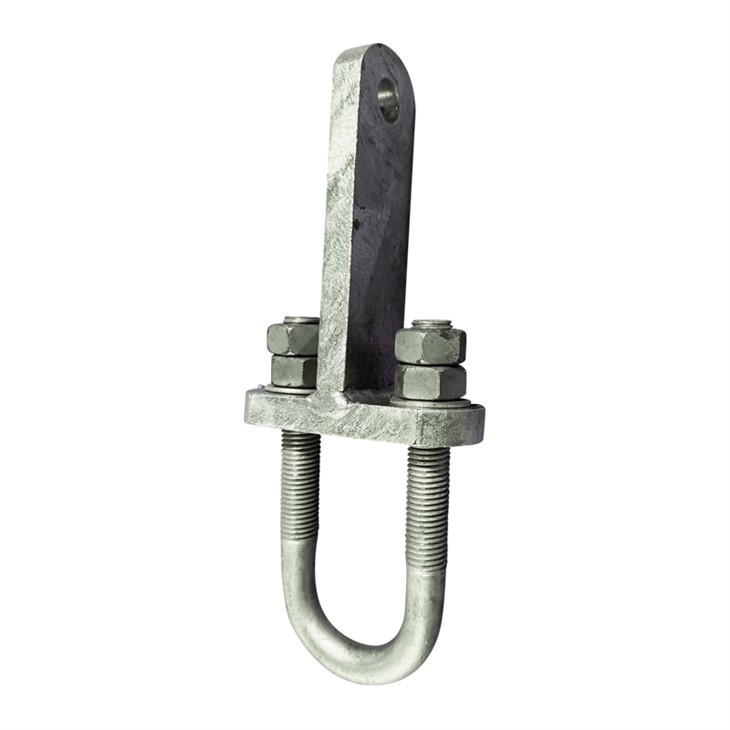
Before delving into their marine applications, let's first understand what adjusting clevis rings are. Adjusting clevis rings are mechanical fasteners that consist of a clevis, a pin, and a ring. The clevis is a U-shaped component with holes at the ends, while the pin is inserted through these holes to connect the clevis to other parts. The ring, on the other hand, provides a connection point for ropes, cables, or other attachments.
One of the key features of adjusting clevis rings is their adjustability. They allow for easy adjustment of the length or tension of a connection, making them versatile and suitable for a wide range of applications. This adjustability is particularly useful in situations where precise alignment or tensioning is required.

Advantages of Using Adjusting Clevis Rings in Marine Applications
1. Corrosion Resistance
One of the primary concerns in marine applications is corrosion. Saltwater is highly corrosive, and it can quickly damage metal components if they are not properly protected. Many adjusting clevis rings are made from materials such as stainless steel or aluminum, which offer excellent corrosion resistance. Stainless steel, in particular, contains chromium, which forms a passive oxide layer on the surface of the metal, protecting it from rust and corrosion. This makes adjusting clevis rings a reliable choice for marine applications where exposure to saltwater is inevitable.
2. Strength and Durability
Marine environments often involve heavy loads and high-stress conditions. Adjusting clevis rings are designed to be strong and durable, capable of withstanding significant forces without failing. They are typically manufactured to meet strict quality standards, ensuring that they can handle the rigors of marine use. Whether it's securing a mooring line, adjusting a sailboat's rigging, or connecting various components on a ship, adjusting clevis rings provide a reliable and long-lasting solution.
3. Versatility
As mentioned earlier, adjusting clevis rings are highly versatile. They can be used in a variety of marine applications, including but not limited to:
- Mooring Systems: Adjusting clevis rings are commonly used in mooring systems to secure boats and ships to docks or buoys. Their adjustability allows for easy tensioning of the mooring lines, ensuring a secure connection even in changing tide conditions.
- Rigging: In sailing vessels, adjusting clevis rings play a crucial role in the rigging system. They are used to adjust the tension of the shrouds, stays, and halyards, allowing sailors to optimize the performance of the sails and ensure the stability of the mast.
- Towing and Lifting: When towing or lifting heavy objects in a marine environment, adjusting clevis rings can be used to connect the towing or lifting equipment to the load. Their strength and adjustability make them suitable for these demanding applications.
4. Ease of Installation and Maintenance
Adjusting clevis rings are relatively easy to install and maintain. They typically require only basic tools for installation, and their simple design makes them easy to inspect and replace if necessary. This reduces downtime and maintenance costs, making them a cost-effective choice for marine applications.
Considerations for Using Adjusting Clevis Rings in Marine Applications
While adjusting clevis rings offer many advantages in marine applications, there are also some considerations to keep in mind:
1. Material Selection
As mentioned earlier, the choice of material is crucial for ensuring corrosion resistance in a marine environment. In addition to stainless steel and aluminum, other materials such as bronze or titanium may also be suitable, depending on the specific application and budget. It's important to consult with a materials expert or a supplier to determine the best material for your needs.
2. Load Capacity
Before using adjusting clevis rings in a marine application, it's essential to determine the load capacity required for the specific task. Overloading a clevis ring can lead to failure, which can have serious consequences in a marine environment. Make sure to select clevis rings with a load capacity that exceeds the expected load to ensure safety and reliability.
3. Environmental Conditions
In addition to saltwater corrosion, other environmental factors such as UV radiation, temperature extremes, and abrasion can also affect the performance of adjusting clevis rings. Consider these factors when selecting clevis rings and take appropriate measures to protect them, such as applying a protective coating or using covers.
4. Compatibility
When using adjusting clevis rings in a marine application, it's important to ensure that they are compatible with the other components in the system. This includes the ropes, cables, pins, and other fasteners. Incompatible components can lead to premature wear, failure, or safety hazards. Make sure to consult with a professional or a supplier to ensure that all components are properly matched.
Our DT Adjusting Clevis Ring
At our company, we offer a high-quality DT Adjusting Clevis Ring that is specifically designed for marine applications. Our DT Adjusting Clevis Ring is made from premium stainless steel, providing excellent corrosion resistance and strength. It features a precision-machined design for smooth operation and easy adjustment. With a wide range of sizes and load capacities available, our DT Adjusting Clevis Ring can meet the needs of various marine applications.
Conclusion
In conclusion, adjusting clevis rings can be effectively used in marine applications. Their corrosion resistance, strength, durability, versatility, and ease of installation and maintenance make them a reliable choice for a wide range of marine tasks. However, it's important to carefully consider the material selection, load capacity, environmental conditions, and compatibility when using adjusting clevis rings in a marine environment.
If you're in the market for adjusting clevis rings for your marine application, we invite you to contact us to discuss your specific requirements. Our team of experts is ready to assist you in selecting the right product and providing you with the best solutions. We look forward to the opportunity to work with you and help you achieve your marine project goals.
References
- "Marine Corrosion: Causes, Prevention, and Protection" - A technical guide on marine corrosion and its prevention measures.
- "Mechanical Fasteners in Marine Applications" - A research paper on the use of various mechanical fasteners, including clevis rings, in marine settings.
- Product specifications and technical data sheets provided by adjusting clevis ring manufacturers.


